Tampilkan postingan dengan label Type 1 diabetes. Tampilkan semua postingan

Sabtu, 08 Juni 2013

Gizmag: Injectable nanoparticles maintain normal blood-sugar levels for up to 10 days.

Fascinating technology featured in Gizmag & posted by someone HERE.
The nano-network that releases insulin in response to changes in blood sugar
"The injectable nano-network is made up of a mixture that contains nanoparticles with a solid core or insulin, modified dextran (which is commonly used to reduce blood viscosity), and glucose oxidase enzymes. When exposed to high levels of glucose, the enzymes convert glucose into gluconic acid, which breaks down the modified dextran to release the insulin. The gluconic acid and dextran, which are biocompatible, dissolve in the body, while the insulin brings the glucose levels under control.

The nanoparticles are given a positively or negatively charged biocompatible coating so that when they are mixed together, they are attracted to each other to form a “nano-network.” The positively charged coatings are made of chitosan, a material found in shrimp shells that has also found applications in self-healing car paint, while the negatively charged coatings are made of alginate, a material normally found in seaweed."

Wow! Cool bananas!

Rabu, 05 Juni 2013

When the only tool in the box is a hammer...

Everything that needs fixing looks like a nail.
What are the action and reaction forces when a hammer hits a nail?
Diabetics are issued with blood glucose meters - and nothing else.

For people with type 1 diabetes, that's fine. They lack insulin, so they have to inject insulin in the right amounts & types to keep their blood glucose levels within reasonable limits. Applying Bernstein's Law of small numbers by reducing carbohydrate intake to a minimum keeps blood glucose levels within reasonable limits (between 3 & 7mmol/L) most of the time.

For people with type 2 diabetes and a fat belly (~85% of type 2 diabetics), that's not fine. Their disease is a disease of excess, causing dyseverythingaemia (hyperglycaemia, hypercholesterolaemia, hypoHDL-cholesterolaemia, hyperNEFAaemia, hypertriglyceridaemia, hyperuricaemia, etc). However, because the only tool in their box is a blood glucose meter, their disease looks like a disease of high blood glucose level (hyperglycaemia) only. Applying Bernstein's Law of small numbers by reducing carbohydrate intake to a minimum keeps blood glucose levels within reasonable limits, but makes everything else worse if energy from carbohydrates is replaced by energy from fats.

EDITED to include information in the comments: Only if energy from carbohydrates is reduced to a minimum AND energy from fats isn't increased to compensate (i.e. eat a PSMF or a Modified PSMF), does carbohydrate restriction help people with type 2 diabetes.

Senin, 20 Mei 2013

Keep 'em tight, Part 2.

Keep 'em tight was about the ramifications of excessive gut permeability, a.k.a."Leaky Gut".
Graphic From: www.leakygutcure.com
Almost as an afterthought, I added to that post a link to Physiology and Immunology of Digestion. As this article is interesting & informative and since only 706 people have read the first post since it was published (the link was added quite some time later), I thought that I'd give it another airing, with a picture to make the post more attractive.

Minggu, 31 Maret 2013

Doctor, every time I do *this*, it hurts!

The correct response is either:-

1) Go to hospital and get that broken finger fixed, or
2) Stop doing *that*!

There seem to be a lot of people out there who are having problems with wheat gluten (gliadin), casein and other proteins. As Matt Lalonde said in The Science Behind the Paleolithic Diet, some proteins are harder to digest than others.

Here's a hard to digest protein:-


It's raw albumin (egg white protein). As mentioned in As sure as Eggs is Eggs....., raw albumin is poorly absorbed, compared to cooked albumin. To digest the above protein requires peptidase enzymes (pepsin, trypsin and chymotrypsin) to break the peptide bonds. This has to be done from the outside inwards, so a large, heavily-folded protein takes a long time to break down into individual amino acids. Cooking albumin changes the 3-D structure - this is called denaturing. Cooked albumin digests much faster than raw albumin, which is why it's much better absorbed. Cooked proteins are generally faster to digest than raw proteins, unless they're burned to a crisp on a barbecue!

In a person with a healthy gut, partially-digested proteins are not absorbed, as the molecules are too large to pass through the tight junctions in the small intestine. They just ferment, producing malodorous wind. In a person with impaired gut permeability, partially-digested proteins pass through the loose junctions and get into the blood, provoking an immune response. This is not good, so Keep 'em tight.

People who suffer ill-effects after eating certain proteins may either have the wrong genes (e.g. coeliac disease), or have impaired gut permeability. The former isn't fixable but the latter may be. In the meantime, if eating "X" hurts, don't eat "X"!

Jumat, 20 April 2012

How eating sugar & starch can lower your insulin needs.

This is a bookmarking post. Jason Sandeman is a chef who has a couple of web-sites at Well Done Chef! and Jason Sandeman — Real Food For Your Life. He has Latent Autoimmune Diabetes of Adulthood (LADA), which has resulted in a total loss of his pancreatic beta cells which means that he has to take insulin.

Now, it's generally believed in low-carb circles (and by myself) that people with Type 1 Diabetes Mellitus (T1DM) should minimise their intake of sugary & starchy carbohydrates as these promote wild fluctuations in blood glucose. See The problem with Diabetes.

Jason wrote the following comment on Richard Nikoley's blog. The relevant part is as follows:-
"Even more weird – now that I have introduced the starches into the diet – I have actually got better control now. I thought my insulin needs would go up – but they haven’t. They’ve gone down."

To which I replied:-
"How about this for an explanation? You now have a well-controlled glucose input to your circulation via diet, which has suppressed the poorly-controlled glucose input to your circulation via hepatic glucose production."

Hepatic glucose production (HGP) is increased by Glucagon, Cortisol & Adrenaline/Epinephrine. These are secreted as blood glucose level falls below certain values in order to keep our brains alive. See
Blood Glucose, Insulin & Diabetes.

As keeping our brains alive is rather important (!), the mechanism is fairly crude in operation and blood glucose can overshoot in a positive direction, as a bit of glycation is less harmful than brain death. See
"Funny turns": What they aren't and what they might be. Hyperglycaemia requires insulin to lower blood glucose back to the normal range.

Therefore, eating some (but not too much) sugar & starch can result in lower blood glucose level and lower insulin secretion. Eating fibre/fiber (a carbohydrate) is also good for keeping blood glucose low, as only just mentioned in
Fiber and Insulin Sensitivity. Ain't the human body weird?

Jumat, 24 Februari 2012

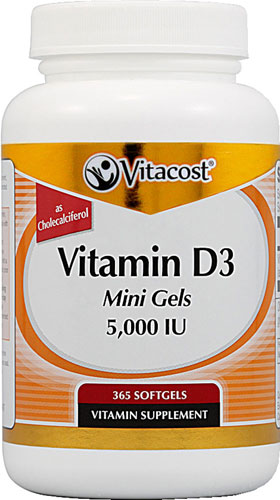
Cheapest Vitamin D3 yet.

A big thank you to Ted Hutchinson (the chap who got me interested in Vitamin D in 2007) for bringing Vitacost to my attention. Their own-brand 5,000iu Vitamin D3 mini gelcaps product is somewhat cheaper than the Healthy Origins product that I've been using ($12.99 vs $14.99). Click http://www.vitacost.com/Referee?wlsrc=rsReferral&ReferralCode=3320491 when creating a Vitacost account, to get $10 discount on orders over $30.

As imports are liable to VAT + handling charges (usually £8) if the value exceeds £15, the lower price means that I can order two pots of 365 Mini Gels for less than £15.

P&P is slightly more expensive at $7.99 vs $4. Delivery takes about two weeks.

Selasa, 01 Februari 2011

Keep 'em tight.

Wheel nuts? Nope!
Image from http://suppversity.blogspot.de/2012/11/shedding-some-light-on-the-leaky-gut.html
I'm referring to Tight Junctions. As mentioned at the end of Wheat? Oh, dear! , 10% of the people who are healthy enough to donate blood have gut walls permeable enough to let gliadin fragments pass into the blood.

Tight junctions are important, as they keep the contents of the gut inside the gut and out of the blood. If you read Food Combining: What's THAT all about?, you'll see that during digestion, proteins are broken down into individual amino acids & very short peptide chains*. Amino acids & very short peptide chains are small enough to pass through tight junctions. Peptide chains longer than about 3 amino acids are too big to pass through. See also Physiology and Immunology of Digestion.

Carbohydrates are broken down into monosaccharides, which are small enough to pass through. Disaccharides are too large (except for Trehalose, which Jay Bryant told me about as a treatment for Alzheimer's Disease).

Fats are broken down into glycerol and fatty acids. Glycerol is small enough to pass through. Fatty acids and other fatty molecules such as Vitamin D, Co-enzyme Q10, Vitamin K2, curcumin, berberine etc are transported across.

The consequences of having loose junctions are not good. Stuff that's not supposed to get in to the blood gets in and stimulates the immune system to produce antibodies against it. That in itself is not a problem, unless the stuff that the body's produced antibodies against happens to resemble parts of your own body.

Diseases of autoimmune origin such as Coeliac disease (gut), Eczema (skin), Dermatitis herpetiformis (skin), Sjögren's syndrome (mucous membranes), Cerebellar ataxia (Purkinje cells in the brain), Multiple sclerosis (myelin sheaths of nerves), Type 1 Diabetes (pancreatic beta cells), Rheumatoid arthritis (joints), Asthma (lungs), Lupus erythematosus (various), Autoimmune thyroiditis (thyroid), LADA (pancreatic beta cells) etc are caused by the body's immune system mistakenly attacking the body. Autoimmune diseases can also occur after bacterial & viral infections.

The other day, I found Immune response to dietary proteins, gliadin and cerebellar peptides in children with autism.

See also Stronger Intestinal Barrier May Prevent Cancer in the Rest of the Body, New Study Suggests.

So, how do we keep 'em tight? See Vitamin D.
See also Dietary Fat Can Modulate Intestinal Tight Junction Integrity.
See also Shedding Some Light on the Leaky Gut <> Exercise Connection. Plus: 20+ Things You Should or Shouldn't Do to Protect and Restore the Integrity of Your Intestinal Wall.


In other news....
I had a phone call from mum's GP this morning. Having read my evidence, he's agreed to test mum's serum B12, 25(OH)D and Calcium and give her supplements accordingly. He's also happy with me giving mum a Ketogenic diet and will also advise the nursing home to exercise mum as often as she is able. Result!

I put four cubes of liver pâté out for Sooty & Sweep (I don't know which one is which as they're identical) and a Magpie swiped two of them. We also have seagulls. I put the other two cubes out of sight in a box.


So far, so good!

P.S. What fuel can be extracted from decomposing seagulls?
.
.
.
Wait for it...
.
.
.
Petrel! (From Petrol Direct, a joke site in case anyone's wondering).

Kamis, 25 Maret 2010

Vitamin D3: Studies from 2005 to present.

I had a rummage through PubMed looking for editorials, meta-studies & human Randomised Controlled Trials on Vitamin D and Vitamin D3 from 2005 to present. Here is a selection (mostly using reasonable doses) that weren't previously mentioned in my Vitamin D blog. They are, now!

The Role of Vitamin D in Cancer Prevention
Estimates of optimal vitamin D status.
Prevalence of Vitamin D inadequacy among postmenopausal North American women receiving osteoporosis therapy.
Fracture prevention with vitamin D supplementation: a meta-analysis of randomized controlled trials.
The re-emerging burden of rickets: a decade of experience from Sydney.
An excess of widespread pain among South Asians: are low levels of vitamin D implicated?
Vitamin D is associated with improved survival in early-stage non-small cell lung cancer patients.
Vitamin D and prevention of colorectal cancer.
Should older people in residential care receive vitamin D to prevent falls? Results of a randomized trial.
Effect of vitamin D replacement on musculoskeletal parameters in school children: a randomized controlled trial.
Effect of cholecalciferol plus calcium on falling in ambulatory older men and women: a 3-year randomized controlled trial.
Vitamin D supplementation improves cytokine profiles in patients with congestive heart failure: a double-blind, randomized, placebo-controlled trial.
Estimation of optimal serum concentrations of 25-hydroxyvitamin D for multiple health outcomes.
Risk factors for vitamin D inadequacy among women with osteoporosis: an international epidemiological study.
A system for improving vitamin D nutrition in residential care.
Impact of dietary and lifestyle on vitamin D in healthy student girls aged 11-15 years.
How much vitamin D3 do the elderly need?
Lower levels of plasma 25-hydroxyvitamin D among young adults at diagnosis of autoimmune type 1 diabetes compared with control subjects: results from the nationwide Diabetes Incidence Study in Sweden (DISS).
A meta-analysis of second cancers after a diagnosis of nonmelanoma skin cancer: additional evidence that solar ultraviolet-B irradiance reduces the risk of internal cancers.
Risk assessment for vitamin D.
Supplementation with calcium + vitamin D enhances the beneficial effect of weight loss on plasma lipid and lipoprotein concentrations.
Serum 25(OH)D levels, dietary intake of vitamin D, and colorectal adenoma recurrence.
The effects of calcium and vitamin D supplementation on blood glucose and markers of inflammation in nondiabetic adults.
Optimal vitamin D status for colorectal cancer prevention: a quantitative meta analysis.
A higher dose of vitamin d reduces the risk of falls in nursing home residents: a randomized, multiple-dose study.
Potentially modifiable determinants of vitamin D status in an older population in the Netherlands: the Hoorn Study.
Fracture prevention with vitamin D supplementation: considering the inconsistent results.
A prospective study of plasma vitamin D metabolites, vitamin D receptor polymorphisms, and prostate cancer.
The role of vitamin D and calcium in type 2 diabetes. A systematic review and meta-analysis.
A single dose of vitamin D enhances immunity to mycobacteria.
Does solar exposure, as indicated by the non-melanoma skin cancers, protect from solid cancers: vitamin D as a possible explanation.
Vitamin D intake and breast cancer risk in postmenopausal women: the Iowa Women's Health Study.
Vitamin D and calcium supplementation reduces cancer risk: results of a randomized trial.
Bone mineral density and bone markers in patients with a recent low-energy fracture: effect of 1 y of treatment with calcium and vitamin D.
Vitamin D deficiency in multicultural primary care: a case series of 299 patients.
Vitamin D supplementation and total mortality: a meta-analysis of randomized controlled trials.
Efficacy of different doses and time intervals of oral vitamin D supplementation with or without calcium in elderly nursing home residents.
Vitamin D status and response to Vitamin D(3) in obese vs. non-obese African American children.
Vitamin D and skin physiology: a D-lightful story.
Additive benefit of higher testosterone levels and vitamin D plus calcium supplementation in regard to fall risk reduction among older men and women.
Rapid correction of low vitamin D status in nursing home residents.
Effects of a long-term vitamin D and calcium supplementation on falls and parameters of muscle function in community-dwelling older individuals.
Prevalence of vitamin d insufficiency in patients with Parkinson disease and Alzheimer disease.
Exploration of association of 1,25-OH2D3 with augmentation index, a composite measure of arterial stiffness.
Vitamin D and prevention of colorectal adenoma: a meta-analysis.
The tolerability and biochemical effects of high-dose bolus vitamin D2 and D3 supplementation in patients with vitamin D insufficiency.
Administration of oral vitamin D induces cathelicidin production in atopic individuals.
Estimation of the dietary requirement for vitamin D in healthy adults.
Changes in 25-Hydroxyvitamin D3 to oral treatment with vitamin D3 in postmenopausal females with osteoporosis.
Vitamin D or hormone D deficiency in autoimmune rheumatic diseases, including undifferentiated connective tissue disease.
High-dose oral vitamin D3 supplementation in the elderly.
A double-blind, randomized, placebo-controlled trial of the short-term effect of vitamin D3 supplementation on insulin sensitivity in apparently healthy, middle-aged, centrally obese men.
Vitamin D deficiency in older men.
Serum vitamin D and risk of pancreatic cancer in the prostate, lung, colorectal, and ovarian screening trial.
Vitamin D supplementation during Antarctic winter.
Vitamin D insufficiency and treatment with oral vitamin D3 in northern-dwelling patients with chronic kidney disease.
Long-term effects of giving nursing home residents bread fortified with 125 microg (5000 IU) vitamin D(3) per daily serving.
Effects of vitamin D and calcium supplementation on markers of apoptosis in normal colon mucosa: a randomized, double-blind, placebo-controlled clinical trial.
Estimation of the dietary requirement for vitamin D in free-living adults >=64 y of age.
Vitamin D supplementation enhances the beneficial effects of weight loss on cardiovascular disease risk markers.
Plasma 25-hydroxyvitamin D concentration and metabolic syndrome among middle-aged and elderly Chinese individuals.
Meta-analysis: longitudinal studies of serum vitamin D and colorectal cancer risk.
Effect of vitamin D supplementation in the institutionalized elderly.
Calcitriol ointment 3 microg/g is safe and effective over 52 weeks for the treatment of mild to moderate plaque psoriasis.
Association between 25-hydroxyvitamin D levels and cognitive performance in middle-aged and older European men.
Low parathyroid hormone levels in bedridden geriatric patients with vitamin D deficiency.
Increased levels of 25 hydroxyvitamin D and 1,25-dihydroxyvitamin D after rosuvastatin treatment: a novel pleiotropic effect of statins?
Effect of vitamin D deficiency and replacement on endothelial function in asymptomatic subjects.
Vitamin D and depressive symptoms in women during the winter: a pilot study.
Treatment of vitamin D deficiency increases lower limb muscle strength in institutionalized older people independently of regular physical activity: a randomized double-blind controlled trial.
Vitamin D, parathyroid hormone and the metabolic syndrome in middle-aged and older European men.
Vitamin D supplementation reduces insulin resistance in South Asian women living in New Zealand who are insulin resistant and vitamin D deficient - a randomised, placebo-controlled trial.
Fall prevention with supplemental and active forms of vitamin D: a meta-analysis of randomised controlled trials.
Meta-analysis of vitamin D, calcium and the prevention of breast cancer.
Effects of vitamin d and calcium on proliferation and differentiation in normal colon mucosa: a randomized clinical trial.
Combination of alfacalcidol with calcium can improve quadriceps muscle strength in elderly ambulatory Thai women who have hypovitaminosis D: a randomized controlled trial.
Vitamin D(3) induces expression of human cathelicidin antimicrobial peptide 18 in newborns.
Levels of vitamin D and cardiometabolic disorders: systematic review and meta-analysis.
No significant effect on bone mineral density by high doses of vitamin D3 given to overweight subjects for one year.
Effects of supplemental vitamin D and calcium on oxidative DNA damage marker in normal colorectal mucosa: a randomized clinical trial.
Vitamin D levels, lung function, and steroid response in adult asthma.
Association between pre-diagnostic circulating vitamin D concentration and risk of colorectal cancer in European populations:a nested case-control study.
Pandemic preparedness for swine flu influenza in the United States.
Randomized trial of vitamin D supplementation to prevent seasonal influenza A in schoolchildren.
Vitamin D supplementation suppresses age-induced bone turnover in older women who are vitamin D deficient.
Suppression of C-terminal telopeptide in hypovitaminosis D requires calcium as well as vitamin D.
A phase I/II dose-escalation trial of vitamin D3 and calcium in multiple sclerosis.
Milk fortified with the current adequate intake for vitamin D (5 microg) increases serum 25-hydroxyvitamin D compared to control milk but is not sufficient to prevent a seasonal decline in young women.
Vitamin D-vitamin K interaction: effect of vitamin D supplementation on serum percentage undercarboxylated osteocalcin, a sensitive measure of vitamin K status, in Danish girls.
Vitamin D status and impact of vitamin D3 and/or calcium supplementation in a randomized pilot study in the Southeastern United States.
Calcium/vitamin D supplementation and coronary artery calcification in the Women's Health Initiative.
Circulating 25-hydroxyvitamin D and risk of pancreatic cancer: Cohort Consortium Vitamin D Pooling Project of Rarer Cancers.*
A 16-week randomized clinical trial of 2000 international units daily vitamin D3 supplementation in black youth: 25-hydroxyvitamin D, adiposity, and arterial stiffness.
The effect of narrowband UV-B treatment for psoriasis on vitamin D status during wintertime in Ireland.
Effects of vitamin D supplementation to children diagnosed with pneumonia in Kabul: a randomised controlled trial.
Dairy calcium intake, serum vitamin D, and successful weight loss.
Atorvastatin increases 25-hydroxy vitamin D concentrations in patients with polycystic ovary syndrome.
A randomized controlled trial of the effects of vitamin D on muscle strength and mobility in older women with vitamin D insufficiency.
Serum 25-hydroxyvitamin D concentration is associated with functional capacity in older adults with heart failure.
Effect of vitamin D supplementation on testosterone levels in men.
Vitamin D production depends on ultraviolet-B dose but not on dose rate: a randomized controlled trial.
Vitamin D(3) is more potent than vitamin D(2) in humans.
Nutrients and foods for the primary prevention of asthma and allergy: systematic review and meta-analysis.
High-dose vitamin D(3) during intensive-phase antimicrobial treatment of pulmonary tuberculosis: a double-blind randomised controlled trial.
Circulating 25-hydroxyvitamin D levels and frailty in older men: the osteoporotic fractures in men study.
Association of low serum 25-hydroxyvitamin D levels and mortality in the critically ill.
Effects of vitamin D supplementation on 25-hydroxyvitamin D, high-density lipoprotein cholesterol, and other cardiovascular disease risk markers in subjects with elevated waist circumference.
Changes in balance, functional performance and fall risk following whole body vibration training and vitamin D supplementation in institutionalized elderly women. A 6 month randomized controlled trial.
Diet induced thermogenesis, fat oxidation and food intake following sequential meals: influence of calcium and vitamin D.
The response of elderly veterans to daily vitamin D3 supplementation of 2,000 IU: a pilot efficacy study.
Meta-analysis: Circulating vitamin D and ovarian cancer risk.
Relation of vitamin D level to maximal oxygen uptake in adults.
Vitamin D status in patients with stage IV colorectal cancer: findings from Intergroup trial N9741.
Circulating levels of vitamin D and colon and rectal cancer: the Physicians' Health Study and a meta-analysis of prospective studies.
Burning daylight: balancing vitamin D requirements with sensible sun exposure.
Relationships between vitamin D status and cardio-metabolic risk factors in young European adults.
Latitude is significantly associated with the prevalence of multiple sclerosis: a meta-analysis.
Vitamin D status and early age-related macular degeneration in postmenopausal women.
Vitamin D and clinical disease progression in HIV infection: results from the EuroSIDA study.
Annual high-dose vitamin D3 and mental well-being: randomised controlled trial.
Vitamin D status and outcomes in heart failure patients.
The impact of vitamin D status on periodontal surgery outcomes.
The role of paricalcitol on proteinuria.
Effects of weight loss on serum vitamin D in postmenopausal women.
Vitamin D status and mortality risk in CKD: a meta-analysis of prospective studies.
Vitamin D intake and risk of cardiovascular disease in US men and women.
Meta-analysis: Serum vitamin D and colorectal adenoma risk.
Calcium plus vitamin D supplementation and the risk of nonmelanoma and melanoma skin cancer: post hoc analyses of the women's health initiative randomized controlled trial.
Effects of vitamin D and calcium supplementation on pancreatic β cell function, insulin sensitivity, and glycemia in adults at high risk of diabetes: the Calcium and Vitamin D for Diabetes Mellitus (CaDDM) randomized controlled trial.
Vitamin D supplementation for prevention of mortality in adults.
The effect of calcium plus vitamin D on risk for invasive cancer: results of the Women's Health Initiative (WHI) calcium plus vitamin D randomized clinical trial.
New clinical trials with vitamin D and analogs in renal disease.
The relation between vitamin D deficiency and fibromyalgia syndrome in women.
Interventions for latent autoimmune diabetes (LADA) in adults.
Calcium and vitamin D supplementation is associated with decreased abdominal visceral adipose tissue in overweight and obese adults.
Effect of vitamin D supplementation on muscle strength, gait and balance in older adults: a systematic review and meta-analysis.
Vitamin D3 and the risk of CVD in overweight and obese women: a randomised controlled trial.
Low 25-hydroxyvitamin D is associated with increased mortality in female nursing home residents.
Improvement of vitamin D status resulted in amelioration of biomarkers of systemic inflammation in the subjects with type 2 diabetes.
Vitamin D supplementation in infants with chronic congestive heart failure.
Vitamin D reduces musculoskeletal pain after infusion of zoledronic acid for postmenopausal osteoporosis.
Consumption of vitamin D-and calcium-fortified soft white cheese lowers the biochemical marker of bone resorption TRAP 5b in postmenopausal women at moderate risk of osteoporosis fracture.
Vitamin D improves viral response in hepatitis C genotype 2-3 naïve patients.
Vitamin D supplementation in the treatment of atopic dermatitis: a clinical trial study.
Effect of vitamin D repletion on urinary calcium excretion among kidney stone formers.
25-Hydroxyvitamin D levels and the risk of stroke: a prospective study and meta-analysis.
Improvement of vitamin D status via daily intake of fortified yogurt drink either with or without extra calcium ameliorates systemic inflammatory biomarkers, including adipokines, in the subjects with type 2 diabetes.
Treatment of vitamin D insufficiency in children and adolescents with inflammatory bowel disease: a randomized clinical trial comparing three regimens.
Therapeutic effects of calcium & vitamin D supplementation in women with PCOS.
Higher vitamin D dietary intake is associated with lower risk of alzheimer's disease: a 7-year follow-up.
Vitamin D3 supplementation at 4000 international units per day for one year results in a decrease of positive cores at repeat biopsy in subjects with low-risk prostate cancer under active surveillance.
Comparison of narrowband ultraviolet B exposure and oral vitamin D substitution on serum 25-hydroxyvitamin D concentration.
The relation between sunscreen layer thickness and vitamin D production after ultraviolet B exposure: a randomized clinical trial.
Circulating 25-hydroxyvitamin D concentration and the risk of type 2 diabetes: results from the European Prospective Investigation into Cancer (EPIC)-Norfolk cohort and updated meta-analysis of prospective studies.
Vitamin D3 therapy corrects the tissue sensitivity to angiotensin ii akin to the action of a converting enzyme inhibitor in obese hypertensives: an interventional study.
The effect of combined calcium and cholecalciferol supplementation on bone mineral density in elderly women with moderate chronic kidney disease.
Comparison of vitamin D2 and vitamin D3 supplementation in raising serum 25-hydroxyvitamin D status: a systematic review and meta-analysis.
Relative effectiveness of oral 25-hydroxyvitamin D3 and vitamin D3 in raising wintertime serum 25-hydroxyvitamin D in older adults.
Vitamin D supplementation and depression in the women's health initiative calcium and vitamin D trial.
Vitamin D with calcium reduces mortality: patient level pooled analysis of 70,528 patients from eight major vitamin D trials.
An open label, randomized controlled study of oral calcitriol for the treatment of proteinuria in patients with diabetic kidney disease.
Ergocalciferol from mushrooms or supplements consumed with a standard meal increases 25-hydroxyergocalciferol but decreases 25-hydroxycholecalciferol in the serum of healthy adults.
Narrowband ultraviolet B three times per week is more effective in treating vitamin D deficiency than 1600 IU oral vitamin D₃ per day: a randomized clinical trial.
Vitamin D intake is inversely related to risk of developing metabolic syndrome in African American and white men and women over 20 y: the Coronary Artery Risk Development in Young Adults study.
Vitamin D and gestational diabetes: a systematic review and meta-analysis.
Associations between 25-hydroxyvitamin D and weight gain in elderly women.
Effect of cholecalciferol as adjunctive therapy with insulin on protective immunologic profile and decline of residual β-cell function in new-onset type 1 diabetes mellitus.
A pooled analysis of vitamin D dose requirements for fracture prevention.
Determinants and effects of vitamin D supplementation on serum 25-hydroxy-vitamin D levels in patients with rheumatoid arthritis.
Vitamin D is a major determinant of bone mineral density at school age.
Effect of vitamin D and inhaled corticosteroid treatment on lung function in children.
Serum 25-hydroxyvitamin D3 and D2 and non-clinical psychotic experiences in childhood.
Vitamin D deficiency in postmenopausal, healthy women predicts increased cardiovascular events: a 16-year follow-up study.
Randomized trial of vitamin D supplementation and risk of acute respiratory infection in Mongolia.
25-hydroxyvitamin d levels and risk of ischemic heart disease, myocardial infarction, and early death: population-based study and meta-analyses of 18 and 17 studies.
Association of low serum 25-hydroxyvitamin D levels and acute kidney injury in the critically ill.
A 12-week double-blind randomized clinical trial of vitamin D₃ supplementation on body fat mass in healthy overweight and obese women.
Circulating 25-hydroxy-vitamin D and risk of cardiovascular disease: a meta-analysis of prospective studies.
Relation of severe deficiency of vitamin D to cardiovascular mortality during acute coronary syndromes.
Vitamin D reduces left atrial volume in patients with left ventricular hypertrophy and chronic kidney disease.
Interventions for preventing falls in older people in care facilities and hospitals.

*See Vitamin D and UV fluctuations for an explanation.

Phew! That's a bit more than I expected.

If you fancy doing a search yourself, click on PubMed.

Selasa, 09 Februari 2010

The problem with Diabetes.

Referring to Blood Glucose, Insulin & Diabetes, a healthy person regulates his/her blood glucose level so that it doesn't go too high or too low. See Control of blood sugar levels.

Someone who has diabetes either has insufficient/no insulin secretion (type 1) or has insulin secretion but it's ineffective (type 2). People with type 1 diabetes have to inject various types of insulin and monitor their Blood Glucose (BG) with a BG meter. Here lies the problem. Consider the following analogy:-

Blood glucose control is like driving down a road cut into the side of a mountain. If you steer too far to the left (low blood glucose), you fall off the edge of the road and die. If you steer too far to the right (high blood glucose), you smash yourself against the side of the mountain. Injecting insulin/taking oral hypoglycaemic agents is like pulling on the steering wheel to the left. Eating sugary/starchy carbs is like pulling on the steering wheel to the right. Exercising is like pulling on the steering wheel to the left.

Not monitoring BG regularly is like driving down the above road with your eyes shut most of the time. You have no idea where you are on the road. Every time you monitor BG, you open your eyes.

A high-carbohydrate diet + high-medication regimen (e.g. ADA & Diabetes-UK) is like pulling on the steering wheel very hard, which results in diabetics veering all over the road. As diabetics don't want to fall off the edge of the road and die, they steer too far to the right (high average blood glucose) and damage themselves by glycation.

A low to very-low-carbohydrate diet + low to very-low-medication regimen (e.g. Bernstein, Christie, Ruhl, Cooksey, Shwarzbein etc) is like pulling on the steering wheel very gently, which results in diabetics steering a reasonably straight course down the middle of the road.

As low blood glucose is potentially fatal, that's why Studies show that a high average blood glucose level has lower mortality than a more normal average blood glucose level.

Minggu, 04 Januari 2009

Everybody knows.........Part 2

.........that ketogenic diets like the Atkins diet destroy your kidneys and rot your bones, right? Wrong!
.........that the Atkins diet causes ketoacidosis which is a very dangerous condition requiring urgent hospital treatment, right? Wrong!

There's a lot of nonsense spoken about ketogenic diets by people who really should know better. I suspect that they have been taught wrongly at uni or med school as per the quote in Everybody knows.........Part 1.

Benign Dietary Ketosis is NOT Ketoacidosis.

Consider the following four cases:- Note: Figures are from "Introduction to Nutrition and Metabolism" By David A Bender (Senior Lecturer in Biochemistry, UCL)

1) Healthy human, fed state: Glycogen stores are replete. Serum glucose = ~5.5mmol/L. Serum fatty acids = ~0.3mmol/L. Serum ketones = 0mmol/L. No gluconeogenesis is taking place. Amino acid pool is replete. Cortisol level is normal so there is no loss of muscle mass.

2) Healthy human, fasting for 7 days: Glycogen stores are depleted. Serum glucose falls to ~3.5mmol/L. Serum fatty acids rise to ~1.2mmol/L. Serum ketones (mainly D-3-hydroxybutyrate) rise to ~4.5mmol/L (not high enough to cause acidosis). Gluconeogenesis is occurring. Amino acid pool is depleted. Cortisol level is high, causing slow loss of muscle mass. This is bad ketosis.

3) Healthy human, low-carbohydrate diet: Glycogen stores are depleted. Serum glucose falls to ~5mmol/L.
Serum fatty acids rise to ~1.2mmol/L. Serum ketones (mainly D-3-hydroxybutyrate) rise to ~4.5mmol/L (not high enough to cause acidosis). Gluconeogenesis is occurring. Amino acid pool is replete (due to protein intake). Cortisol level is normal so there is no loss of muscle mass. This is good ketosis.

4) Human with untreated type 1 diabetes: Glycogen stores are depleted. Due to lack of insulin, the Glu-T4 transporters in cells cannot move to the surface so glucose cannot enter cells. Serum glucose = >20mmol/L. This causes major damage to kidneys, arteries, eyes, nerves etc by cross-linking with proteins (glycation) resulting in major disability and eventual death. As the body is forced to run on fatty acids & ketones, metabolic processes are out of control and ketones rise to much higher levels than in 2) or 3) (I don't know how high exactly) resulting in acidosis and eventual death. This is ketoacidosis.

Conclusion: Low-carbohydrate, very-low-carbohydrate & ketogenic dieting is similar to fasting in that serum glucose levels are lower than normal and glycogen stores are depleted. The body is encouraged to burn less glucose and more fatty acids & ketones, but the metabolic processes are all under control. The big difference between low-carbohydrate dieting and fasting is in the amino acid pool and cortisol levels.

Rabu, 17 Desember 2008

Blood Glucose, Insulin & Diabetes

Diabetes is afflicting an increasing percentage of the population as time goes by. Even athletes like Sir Steven Redgrave can get it. This article tries to explain the workings of the body's blood glucose (BG) regulation system and what can go wrong with it.

How does the body regulate blood glucose?
At any given moment, there's about 4.5g of glucose circulating in your blood (5mmol/L x 180g x 5L). As the brain alone uses about 6g of glucose per hour in the absence of ketones, blood glucose (BG) level could fall to zero within an hour if we ate no sugary/starchy carbs. If we ate a mere 5g of glucose, BG level could double. As very low BGs are fatal and very high BGs damage proteins by a process called glycation (a bit like caramelisation), the body keeps BG levels within fairly tight limits by the use of a negative feedback (NFB) control system.

How does a negative feedback control system work?
NFB systems consist of a non-inverting (more in → more out) part, which in this case are the islet cells of Langerhans (a.k.a. pancreatic beta cells), as increasing BG level results in increasing insulin secretion. It's actually a bit more sophisticated than that. Beta cells can store insulin and dump it into the blood if there is a sudden increase in BG level. This is analogous to the accelerator pump in a carburettor, which dumps petrol into the engine if you slam your foot on the accelerator pedal, i.e. it produces a rapid response. The dumping of insulin from beta cell storage is known as the Phase 1 insulin response. If this (or the accelerator pump) fails, there is a lag in the response; this will become significant below.

Increasing BG level results in increasing insulin secretion from beta cells and is known as the Phase 2 insulin response.

The other part of a NFB system is the inverting (more in → less out) feedback part, which in this case is split into three parts, all working in parallel. They are:
  1. Liver - increasing insulin level results in decreasing Hepatic Glucose Production.
  2. Muscle cells - increasing insulin level shifts GLU-T4 transporters which shuttle glucose from the blood into cells, decreasing BG level.
  3. Fat cells - increasing insulin level shifts GLU-T4 transporters which shuttle glucose from the blood into cells, decreasing BG level.
What can go wrong?
There are three main types of diabetes:

1) Type 2 diabetes. This is by far the most common (about 95% of all cases) and is usually caused by abdominal obesity. Type 2 diabetes has two main mechanisms going on. The first is a progressive insulin resistance of target tissues, possibly caused by increased levels of saturated fatty acids being fed to the liver from abdominal fat stores, chronically-high BG and insulin levels caused by chronically over-consuming high glycaemic load carbohydrates, possibly accompanied by large amounts of saturated fat and/or large amounts of omega-6 fat. A sedentary lifestyle lowers the sensitivity of muscle cells to insulin. Insulin resistance also has a hereditary link. It may also be linked to a Vitamin D deficiency, see here.

Insulin resistance weakens the feedback in the NFB system, resulting in further increased BG and insulin levels (hyperinsulinaemia). Increased BG level causes increased damage to beta cells by glycation. Increased insulin level causes further insulin resistance as target tissues become increasingly insensitive (a bit like louder and louder music making you progressively deafer and deafer). Eventually, beta cells become too damaged to secrete sufficient insulin and insulin levels begin to fall. This results in a massive rise in BG level and this is now full-blown Type 2 diabetes. There are five main treatments for Type 2 diabetes:
  1. Lifestyle interventions - reduced intake of high glycaemic load carbohydrates and/or increased intake of omega-3 fats and/or increased intake of Vitamin D3 and/or increased intense exercise and/or loss of abdominal fat.
  2. Sulphonylureas - drugs which stimulate beta cells to secrete even more insulin. Unfortunately, that's a bit like flogging a dying horse as it doesn't address the problems caused by weakened feedback and eventual beta cell failure is inevitable, resulting in the need for insulin injections.
  3. Biguanide drugs such as Metformin - increase insulin sensitivity in target tissues. This strengthens the feedback in the NFB system, which results in reduced BG and insulin levels. This combined with lifestyle interventions can return the NFB system to normal operation.
  4. Thiazolidinediones - also increase insulin sensitivity in target tissues, e.g. muscle and fat, as well as possibly improving the secretory function of beta cells.
  5. Insulin injections take the strain off beta cells, but may worsen insulin resistance.

2) Type 1 diabetes. This is much less common (about 5% of all cases) and is caused by an autoimmune disease. One possible mechanism is as follows: Due to an increase in Zonulin (see here ), the gut becomes more permeable than it should (a.k.a. Leaky Gut Syndrome) and allows protein fragments to pass into the blood. These are destroyed by antibodies. However, if a protein fragment happens to have the same sequence of amino acids as a protein in our own body, the antibodies then set about destroying parts of our own body. Examples of this are gluten (proteins found in wheat, rye, barley and oats) producing antibodies in the blood that can destroy the gut causing Coeliac Disease or skin cells causing Dermatitis Herpetiformis or mucous membranes causing Sjogren's Syndrome or brain cells causing Cerebellar Ataxia. As there is an association between the consumption of cows' milk and the incidence of type 1 diabetes (see here ), it's quite possible that, in susceptible individuals, fragments of casein protein enter the blood in this way resulting in antibodies that destroy pancreatic beta cells. Another possible mechanism is autoimmune attack after a viral infection. Once all of the beta cells are destroyed, no insulin is secreted and insulin injections are required. If some beta cells survive, there is a possibility that normal BG level can be maintained if sugary/starchy carbohydrate intake is reduced.

3) Latent Autoimmune Diabetes of Adulthood (LADA). The percentage of cases with this is unknown as it is often misdiagnosed as type 2 diabetes. This is a slow developing diabetes that is more like type 1 in origin (autoimmune with antibodies) but is often misdiagnosed as type 2 because of the age at diagnosis and the relatively slow progression of the disease (slow compared to type 1 but fast compared to type 2). See here. It is believed that Sir Steven Redgrave has this. Whether or not his autoimmune disease was triggered by a huge intake of milk (to build those Olympic-winning muscles), we will never know.

What else can go wrong?
As stated earlier, loss of the Phase 1 insulin response can occur. This usually happens when beta cells are chronically over-secreting insulin due to a chronically-high intake of sugary/starchy carbs and are unable to store any. This results in a lag in insulin response. This isn't a problem if low glycaemic load carbs are eaten and BG levels change only a little or very slowly. However, if high glycaemic load carbs are eaten, this produces a large and rapid rise in BG level. If a NFB loop with a lag in it is presented with a sudden change in input level, its output overshoots. This results in too much insulin being secreted, which eventually results in low BG levels! This is known as rebound hypoglycaemia. The solution? Stick to low glycaemic load carbs.

Where does blood glucose come from if I haven't eaten?
When no sugary/starchy carbs are being digested, BG starts to fall. Adrenaline and noradrenaline (catecholamine hormones) are secreted by the adrenal medulla into the blood and also by sympathetic neurons. Like glucagon (see below), they stimulate the mobilisation of glycogen and triacylglycerols (stored fats) by triggering the production of cyclic AMP (adenosine monophosphate). Adrenaline and noradrenaline differ from glucagon in that their glucose-producing effect is greater in muscle glycogen than in liver. They also inhibit the uptake of glucose by muscle. Instead, fatty acids released from adipose tissue are used as fuel. Adrenaline also stimulates the secretion of glucagon and inhibits the secretion of insulin. Thus, catecholamines such as adrenaline and noradrenaline increase the amount of glucose released into the blood by the liver and decrease the utilization of glucose by muscle.

Pancreatic alpha cells secrete glucagon. This hormone mobilises the conversion of liver glycogen into glucose. The liver only stores about 70g of glycogen, but when combined with water, a larger mass of glucose is generated. Eventually, liver glycogen stores become depleted and BG level falls again. Glucagon also stimulates gluconeogenesis in the liver & kidneys, which is the production of glucose from non-carbohydrate precursors, like the conversion of glucogenic amino acids, such as glutamine, into glucose. See Liver and Kidneys Synthesize Glucose. This causes slow muscle wastage unless there is sufficient protein intake to provide the necessary amino acids. When BG falls to about 3.3mmol/L, the pituitary gland kicks-in and secretes ACTH (adrenocorticotropic hormone) which stimulates the release of cortisol from the adrenal cortex. Cortisol further stimulates gluconeogenesis in the liver & kidneys. When BG level falls to about 2mmol/L, the pituitary secretes GH (Growth Hormone) which has an anti-insulin effect.

What else does insulin do?
Insulin has many metabolic effects in the body apart from lowering BG level. It's a very anabolic hormone and an insulin spike is usually desired post workout to maximise the uptake of glucose and amino acids by muscle cells. There's nothing wrong with the occasional short-term insulin spike. It's chronically-high insulin levels that cause long-term health problems like high blood pressure and clogging of arteries.

Selasa, 16 Desember 2008

Vitamin D

Vitamin D is known as the "Sunshine Vitamin" and it was once thought that a deficiency in it was rare and that it was only involved in calcium homoeostasis in bones and that a lack of it caused only Rickets. Recent research has shown that not only is Vitamin D involved in a whole host of bodily processes, but also that an insufficiency in it is very common, leading to a whole host of degenerative diseases.


What is Vitamin D?
There's a good overview on Vitamin D here.
Here's a presentation called Vitamin D deficiency: The Cause of Everything?
Here's a presentation called Vitamin D and Prevention of Chronic Diseases.
See also Use of Vitamin D in Clinical Practice and Vitamins D and K as Pleiotropic Nutrients.


How common is Vitamin D deficiency?
According to Hyppönen and Power, in a large sample of the white British population born in 1958, 60.9% of subjects had serum 25(OH)D (the active metabolite of Vitamin D) of less than 75nmol/L in Summer & Autumn, and 87.1% had serum 25(OH)D of less than 75nmol/L in Winter & Spring.
Here's my experience of Vitamin D3. For many years, I was struggling to cope with my job and I eventually took early retirement on the grounds of ill-health. In mid-2006 I was given a serum 25(OH)D test and the result was 73nmol/L. As the Reference Range for serum 25(OH)D is 50-200 nmol/L, I was technically not deficient in Vitamin D. Subsequent events suggested otherwise.
In January 2007, after reading the above study and a study by Vieth, Kimball, Hu and Walfish, I began to supplement with 2,000iu/day of Vitamin D3 and also used a UVB+IR lamp for 3 minutes each night. At first, nothing happened and I was pretty sceptical about getting any improvement. However, after about 8 weeks, I began to notice an awakening in my brain. This continued, and by March 2007, I was feeling quite perky. Friends commented on the fact that I had become very chatty and I was also waking early in the morning raring to go, totally unlike my former self. In May 2007, I had another serum 25(OH)D test and the result was 115nmol/L. Another interesting result was my serum triglycerides, something that's usually always higher than desirable. My TGs were 1.4mmol/L (RR less than 1.8mmol/L). This was the lowest result since tests began in 2002.

I began to get bored with standing around stark naked in front of a UV lamp for 3 minutes each night and I stopped doing this. Slowly, my brain began to go back to sleep. I couldn't understand why as I thought that 2,000iu/day of Vitamin D3 (10 x RDA) was more than enough. In November 2007, I had another serum 25(OH)D test. When I saw my endocrinologist in December 2007, I was quite shocked to see that the result was now 70nmol/L. I immediately increased my Vitamin D3 intake to 5,000iu/day (25 x RDA) and within 2 weeks, my brain started to wake up again. In May 2008, serum 25(OH)D was 173nmol/L and in September 2008 it was 163nmol/L. I'm still taking 5,000iu/day.

See also The urgent need to recommend an intake of vitamin D that is effective.


What foods contain it?
For a list of the foods highest in Vitamin D, see here. Beware of foods that have been supplemented, as Vitamin D2 may have been used. This is less effective than Vitamin D3 according to Armas, Hollis and Heaney. Vegetarians and vegans may not want to eat foods containing Vitamin D3 as this is sourced from animals (e.g. the lanolin from a sheep's coat). Eating the Standard English Diet, it is difficult to obtain 5,000iu/day of Vitamin D. The cheapest way to get a lot of it is by going out in the sun in a swimsuit for 20 or so minutes in the middle of the day in Summer and Autumn, which costs absolutely nothing. As Vitamin D is fat-soluble, the body can build up stores to keep itself supplied during Winter and Spring.


Vitamin D deficiency, Insulin Resistance and The Metabolic Syndrome and Type 2 Diabetes
According to Hyppönen and Power, there is a strong association between decreasing 25(OH)D, increasing BMI (Body Mass Index) and increasing HbA1c (glycated haemoglobin).
According to Khaw, Wareham, Bingham, Luben, Welch and Day, increasing HbA1c is associated with increasing Relative Risk of mortality, summarised here.
According to Chiu, Chu, Go and Saad, there is a positive correlation of 25(OH)D concentration with insulin sensitivity and a negative effect of hypovitaminosis D on ß cell function. Subjects with hypovitaminosis D are at higher Relative Risk of Insulin Resistance and The Metabolic Syndrome.

In January 2003, I had impaired Glucose Tolerance (fasting serum glucose = 6.8mmol/L and 2 hours post-75g glucose load serum glucose = 8.7mmol/L). A sandwich used to send me to sleep.
By September 2008, I had normal Glucose Tolerance (fasting serum glucose = 5.0mmol/L and 2 hours post-75g glucose load serum glucose = 3.7mmol/L). I also no longer suffered from hyperinsulinaemic sleeps. Result!


Vitamin D deficiency and Cancer
According to Lappe, Travers-Gustafson, Davies, Recker and Heaney, subjects receiving 1400-1500mg/day supplemental calcium and 1100iu/day supplemental Vitamin D3 have a Relative Risk of getting any type of cancer of 0.402 which is equivalent to a 60% reduction in the risk of getting cancer compared to the non-supplementing group. If the first 12 months results are discarded (to exclude any subjects who already had cancer when they started the study), the RR is 0.232 which is equivalent to a 77% reduction in the risk of getting cancer. I wonder what the result would have been had 5,000iu/day of Vitamin D3 been used.
See also Diaz, Paraskeva, Thomas, Binderup and Hague.


Vitamin D deficiency and Mental function
According to Vieth, Kimball, Hu and Walfish as mentioned above, supplementing with 4,000iu/day of Vitamin D3 produces a large reduction in the "Miserableness Factor" without affecting serum Calcium levels. According to Wilkins, Sheline, Roe, Birge and Morris, Vitamin D deficiency is associated with low mood and worse cognitive performance in older adults.
According to Gloth, Alam and Hollis, Improvement in 25(OH) D is significantly associated with improvement in depression scale scores in a group of 15 subjects with SAD.
According to Cherniack, Troen, Florez, Roos and Levis, Hypovitaminosis D is prevalent among older adults, and several studies suggest an association between hypovitaminosis D and basic and executive cognitive functions, depression, bipolar disorder, and schizophrenia.

Vitamin D deficiency and High Blood Pressure
According to Forman, Giovannucci, Holmes, Bischoff-Ferrari, Tworoger, Willett and Curhan, plasma 25(OH)D levels are inversely associated with the risk of incident hypertension.


Vitamin D deficiency and the Immune System
According to Cannell, Vieth, Umhau, Holick, Grant, Madronich, Garland and Giovannucci, Vitamin D deficiency predisposes children to respiratory infections.
According to Ginanjar, Sumariyono, Setiati and Setiyohadi, The active form of vitamin D produces and maintains self immunologic tolerance.

Vitamin D Deficiency and Falls
According to Dharmarajan, Akula, Kuppachi and Norkus, in the pilot study of older adults with gait imbalance and falls, vitamin D deficiency was observed in 54% of patients tested and previously unrecognised.


Vitamin D Deficiency and Chronic Pain
According to Plotnikoff and Quigley, all patients with persistent, non-specific musculoskeletal pain are at high risk for the consequences of unrecognised and untreated severe hypovitaminosis D.
According to Al Faraj and Al Mutairi, Vitamin D deficiency is a major contributor to chronic low back pain in areas where vitamin D deficiency is endemic.
According to Gloth, Lindsay, Zelesnick and Greenough, there may be a pain syndrome associated with vitamin D depletion that appears as hyperaesthesia worsened by light, superficial pressure or even small increments of movement.


But doesn't the sun damage the skin and cause skin cancer?
Inappropriate sun exposure can certainly damage the skin. Chronic overexposure to the sun (e.g. farmers and other outdoor workers) causes wrinkly, leathery skin and skin cancers such as Basal Cell Carcinoma and Squamous Cell Carcinoma. These are benign skin cancers which are easily removed and rarely fatal. Acute overexposure to the sun (e.g. people getting severe sunburn on foreign holidays) causes the much more serious Malignant Melanoma. This condition, if not caught early enough, has a very high risk of mortality.
However, sensible sun exposure has more benefits than hazards. See Does solar exposure, as indicated by the non-melanoma skin cancers, protect from solid cancers: vitamin D as a possible explanation. EDIT: See also Is Vitamin D Shooting Me in the Foot?


Is it possible to get too much Vitamin D?
It is possible to overdose with Vitamin D by supplementation. According to Vieth, published cases of vitamin D toxicity with hypercalcaemia, for which the 25(OH)D concentration and vitamin D dose are known, all involve intakes of greater than 40,000iu/day. See also Pharmacokinetics of vitamin D toxicity.
People suffering from Sarcoidosis, Primary Hyperparathyroidism, a history of Calcium Kidney Stones and Milk-Alkali Syndrome need to consult their GP before supplementing with Vitamin D. People prescribed Warfarin also need to be careful, as Warfarin is a Vitamin K antagonist, which can result in calcification of tissues.

It isn't possible to overdose by sun exposure, as the metabolic processes down-regulate when ~10,000iu has been produced. To find out when the sun is strong enough to produce Vitamin D in your skin, see the Vitamin D Synthesis in Human Skin Calculator.

EDIT: Insufficient Vitamin A can result in Vitamin D toxicity. See Is Vitamin D Safe? Still Depends on Vitamins A and K! Testimonials and a Human Study.

EDIT: Vitamins A & D are synergistic, not antagonistic. See New Evidence of Synergy Between Vitamins A and D: Protection Against Autoimmune Diseases.

I've found a cheap source of 5,000iu Vitamin D3 gelcaps. See http://www.iherb.com/Vitamin-D3-5-000-IU-360-Softgels/18335 That's a 1 year supply for about £10. First-time buyers can use discount code NIG935 to get $5 off their first order. Standard shipping is $4.

10,000iu Vitamin D3 gelcaps are also available. See http://www.iherb.com/Healthy-Origins-Vitamin-D3-10-000-IU-360-Softgels/21298

EDIT: See Cheapest Vitamin D3 yet. That's a 1 year supply for about £7.50.

Addendum:- Editorials, meta-studies and human Randomised Controlled Trials on Vitamin D and Vitamin D3 over the period 2005 to present.
The Role of Vitamin D in Cancer Prevention
Estimates of optimal vitamin D status.
Prevalence of Vitamin D inadequacy among postmenopausal North American women receiving osteoporosis therapy.
Fracture prevention with vitamin D supplementation: a meta-analysis of randomized controlled trials.
The re-emerging burden of rickets: a decade of experience from Sydney.
An excess of widespread pain among South Asians: are low levels of vitamin D implicated?
Vitamin D is associated with improved survival in early-stage non-small cell lung cancer patients.
Vitamin D and prevention of colorectal cancer.
Should older people in residential care receive vitamin D to prevent falls? Results of a randomized trial.
Effect of vitamin D replacement on musculoskeletal parameters in school children: a randomized controlled trial.
Effect of cholecalciferol plus calcium on falling in ambulatory older men and women: a 3-year randomized controlled trial.
Vitamin D supplementation improves cytokine profiles in patients with congestive heart failure: a double-blind, randomized, placebo-controlled trial.
Estimation of optimal serum concentrations of 25-hydroxyvitamin D for multiple health outcomes.
Risk factors for vitamin D inadequacy among women with osteoporosis: an international epidemiological study.
A system for improving vitamin D nutrition in residential care.
Impact of dietary and lifestyle on vitamin D in healthy student girls aged 11-15 years.
How much vitamin D3 do the elderly need?
Lower levels of plasma 25-hydroxyvitamin D among young adults at diagnosis of autoimmune type 1 diabetes compared with control subjects: results from the nationwide Diabetes Incidence Study in Sweden (DISS).
A meta-analysis of second cancers after a diagnosis of nonmelanoma skin cancer: additional evidence that solar ultraviolet-B irradiance reduces the risk of internal cancers.
Risk assessment for vitamin D.
Supplementation with calcium + vitamin D enhances the beneficial effect of weight loss on plasma lipid and lipoprotein concentrations.
Serum 25(OH)D levels, dietary intake of vitamin D, and colorectal adenoma recurrence.
The effects of calcium and vitamin D supplementation on blood glucose and markers of inflammation in nondiabetic adults.
Optimal vitamin D status for colorectal cancer prevention: a quantitative meta analysis.
A higher dose of vitamin d reduces the risk of falls in nursing home residents: a randomized, multiple-dose study.
Potentially modifiable determinants of vitamin D status in an older population in the Netherlands: the Hoorn Study.
Fracture prevention with vitamin D supplementation: considering the inconsistent results.
A prospective study of plasma vitamin D metabolites, vitamin D receptor polymorphisms, and prostate cancer.
The role of vitamin D and calcium in type 2 diabetes. A systematic review and meta-analysis.
A single dose of vitamin D enhances immunity to mycobacteria.
Does solar exposure, as indicated by the non-melanoma skin cancers, protect from solid cancers: vitamin D as a possible explanation.
Vitamin D intake and breast cancer risk in postmenopausal women: the Iowa Women's Health Study.
Vitamin D and calcium supplementation reduces cancer risk: results of a randomized trial.
Bone mineral density and bone markers in patients with a recent low-energy fracture: effect of 1 y of treatment with calcium and vitamin D.
Vitamin D deficiency in multicultural primary care: a case series of 299 patients.
Vitamin D supplementation and total mortality: a meta-analysis of randomized controlled trials.
Efficacy of different doses and time intervals of oral vitamin D supplementation with or without calcium in elderly nursing home residents.
Vitamin D status and response to Vitamin D(3) in obese vs. non-obese African American children.
Vitamin D and skin physiology: a D-lightful story.
Additive benefit of higher testosterone levels and vitamin D plus calcium supplementation in regard to fall risk reduction among older men and women.
Rapid correction of low vitamin D status in nursing home residents.
Effects of a long-term vitamin D and calcium supplementation on falls and parameters of muscle function in community-dwelling older individuals.
Prevalence of vitamin d insufficiency in patients with Parkinson disease and Alzheimer disease.
Exploration of association of 1,25-OH2D3 with augmentation index, a composite measure of arterial stiffness.
Vitamin D and prevention of colorectal adenoma: a meta-analysis.
The tolerability and biochemical effects of high-dose bolus vitamin D2 and D3 supplementation in patients with vitamin D insufficiency.
Administration of oral vitamin D induces cathelicidin production in atopic individuals.
Estimation of the dietary requirement for vitamin D in healthy adults.
Changes in 25-Hydroxyvitamin D3 to oral treatment with vitamin D3 in postmenopausal females with osteoporosis.
Vitamin D or hormone D deficiency in autoimmune rheumatic diseases, including undifferentiated connective tissue disease.
High-dose oral vitamin D3 supplementation in the elderly.
A double-blind, randomized, placebo-controlled trial of the short-term effect of vitamin D3 supplementation on insulin sensitivity in apparently healthy, middle-aged, centrally obese men.
Vitamin D deficiency in older men.
Serum vitamin D and risk of pancreatic cancer in the prostate, lung, colorectal, and ovarian screening trial.
Vitamin D supplementation during Antarctic winter.
Vitamin D insufficiency and treatment with oral vitamin D3 in northern-dwelling patients with chronic kidney disease.
Long-term effects of giving nursing home residents bread fortified with 125 microg (5000 IU) vitamin D(3) per daily serving.
Effects of vitamin D and calcium supplementation on markers of apoptosis in normal colon mucosa: a randomized, double-blind, placebo-controlled clinical trial.
Estimation of the dietary requirement for vitamin D in free-living adults >=64 y of age.
Vitamin D supplementation enhances the beneficial effects of weight loss on cardiovascular disease risk markers.
Plasma 25-hydroxyvitamin D concentration and metabolic syndrome among middle-aged and elderly Chinese individuals.
Meta-analysis: longitudinal studies of serum vitamin D and colorectal cancer risk.
Effect of vitamin D supplementation in the institutionalized elderly.
Calcitriol ointment 3 microg/g is safe and effective over 52 weeks for the treatment of mild to moderate plaque psoriasis.
Association between 25-hydroxyvitamin D levels and cognitive performance in middle-aged and older European men.
Low parathyroid hormone levels in bedridden geriatric patients with vitamin D deficiency.
Increased levels of 25 hydroxyvitamin D and 1,25-dihydroxyvitamin D after rosuvastatin treatment: a novel pleiotropic effect of statins?
Effect of vitamin D deficiency and replacement on endothelial function in asymptomatic subjects.
Vitamin D and depressive symptoms in women during the winter: a pilot study.
Treatment of vitamin D deficiency increases lower limb muscle strength in institutionalized older people independently of regular physical activity: a randomized double-blind controlled trial.
Vitamin D, parathyroid hormone and the metabolic syndrome in middle-aged and older European men.
Vitamin D supplementation reduces insulin resistance in South Asian women living in New Zealand who are insulin resistant and vitamin D deficient - a randomised, placebo-controlled trial.
Fall prevention with supplemental and active forms of vitamin D: a meta-analysis of randomised controlled trials.
Meta-analysis of vitamin D, calcium and the prevention of breast cancer.
Effects of vitamin d and calcium on proliferation and differentiation in normal colon mucosa: a randomized clinical trial.
Combination of alfacalcidol with calcium can improve quadriceps muscle strength in elderly ambulatory Thai women who have hypovitaminosis D: a randomized controlled trial.
Vitamin D(3) induces expression of human cathelicidin antimicrobial peptide 18 in newborns.
Levels of vitamin D and cardiometabolic disorders: systematic review and meta-analysis.
No significant effect on bone mineral density by high doses of vitamin D3 given to overweight subjects for one year.
Effects of supplemental vitamin D and calcium on oxidative DNA damage marker in normal colorectal mucosa: a randomized clinical trial.
Vitamin D levels, lung function, and steroid response in adult asthma.
Association between pre-diagnostic circulating vitamin D concentration and risk of colorectal cancer in European populations:a nested case-control study.
Pandemic preparedness for swine flu influenza in the United States.
Randomized trial of vitamin D supplementation to prevent seasonal influenza A in schoolchildren.
Vitamin D supplementation suppresses age-induced bone turnover in older women who are vitamin D deficient.
Suppression of C-terminal telopeptide in hypovitaminosis D requires calcium as well as vitamin D.
A phase I/II dose-escalation trial of vitamin D3 and calcium in multiple sclerosis.
Milk fortified with the current adequate intake for vitamin D (5 microg) increases serum 25-hydroxyvitamin D compared to control milk but is not sufficient to prevent a seasonal decline in young women.
Vitamin D-vitamin K interaction: effect of vitamin D supplementation on serum percentage undercarboxylated osteocalcin, a sensitive measure of vitamin K status, in Danish girls.
Vitamin D status and impact of vitamin D3 and/or calcium supplementation in a randomized pilot study in the Southeastern United States.
Calcium/vitamin D supplementation and coronary artery calcification in the Women's Health Initiative.
Circulating 25-hydroxyvitamin D and risk of pancreatic cancer: Cohort Consortium Vitamin D Pooling Project of Rarer Cancers.*
A 16-week randomized clinical trial of 2000 international units daily vitamin D3 supplementation in black youth: 25-hydroxyvitamin D, adiposity, and arterial stiffness.
The effect of narrowband UV-B treatment for psoriasis on vitamin D status during wintertime in Ireland.
Effects of vitamin D supplementation to children diagnosed with pneumonia in Kabul: a randomised controlled trial.
Dairy calcium intake, serum vitamin D, and successful weight loss.
Atorvastatin increases 25-hydroxy vitamin D concentrations in patients with polycystic ovary syndrome.
A randomized controlled trial of the effects of vitamin D on muscle strength and mobility in older women with vitamin D insufficiency.
Serum 25-hydroxyvitamin D concentration is associated with functional capacity in older adults with heart failure.
Effect of vitamin D supplementation on testosterone levels in men.
Vitamin D production depends on ultraviolet-B dose but not on dose rate: a randomized controlled trial.
Vitamin D(3) is more potent than vitamin D(2) in humans.
Nutrients and foods for the primary prevention of asthma and allergy: systematic review and meta-analysis.
High-dose vitamin D(3) during intensive-phase antimicrobial treatment of pulmonary tuberculosis: a double-blind randomised controlled trial.
Circulating 25-hydroxyvitamin D levels and frailty in older men: the osteoporotic fractures in men study.
Association of low serum 25-hydroxyvitamin D levels and mortality in the critically ill.
Effects of vitamin D supplementation on 25-hydroxyvitamin D, high-density lipoprotein cholesterol, and other cardiovascular disease risk markers in subjects with elevated waist circumference.
Changes in balance, functional performance and fall risk following whole body vibration training and vitamin D supplementation in institutionalized elderly women. A 6 month randomized controlled trial.
Diet induced thermogenesis, fat oxidation and food intake following sequential meals: influence of calcium and vitamin D.
The response of elderly veterans to daily vitamin D3 supplementation of 2,000 IU: a pilot efficacy study.
Meta-analysis: Circulating vitamin D and ovarian cancer risk.
Relation of vitamin D level to maximal oxygen uptake in adults.
Vitamin D status in patients with stage IV colorectal cancer: findings from Intergroup trial N9741.
Circulating levels of vitamin D and colon and rectal cancer: the Physicians' Health Study and a meta-analysis of prospective studies.
Burning daylight: balancing vitamin D requirements with sensible sun exposure.
Relationships between vitamin D status and cardio-metabolic risk factors in young European adults.
Latitude is significantly associated with the prevalence of multiple sclerosis: a meta-analysis.
Vitamin D status and early age-related macular degeneration in postmenopausal women.
Vitamin D and clinical disease progression in HIV infection: results from the EuroSIDA study.
Annual high-dose vitamin D3 and mental well-being: randomised controlled trial.
Vitamin D status and outcomes in heart failure patients.
The impact of vitamin D status on periodontal surgery outcomes.
The role of paricalcitol on proteinuria.
Effects of weight loss on serum vitamin D in postmenopausal women.
Vitamin D status and mortality risk in CKD: a meta-analysis of prospective studies.
Vitamin D intake and risk of cardiovascular disease in US men and women.
Meta-analysis: Serum vitamin D and colorectal adenoma risk.
Calcium plus vitamin D supplementation and the risk of nonmelanoma and melanoma skin cancer: post hoc analyses of the women's health initiative randomized controlled trial.
Effects of vitamin D and calcium supplementation on pancreatic β cell function, insulin sensitivity, and glycemia in adults at high risk of diabetes: the Calcium and Vitamin D for Diabetes Mellitus (CaDDM) randomized controlled trial.
Vitamin D supplementation for prevention of mortality in adults.
The effect of calcium plus vitamin D on risk for invasive cancer: results of the Women's Health Initiative (WHI) calcium plus vitamin D randomized clinical trial.
New clinical trials with vitamin D and analogs in renal disease.
The relation between vitamin D deficiency and fibromyalgia syndrome in women.
Interventions for latent autoimmune diabetes (LADA) in adults.
Calcium and vitamin D supplementation is associated with decreased abdominal visceral adipose tissue in overweight and obese adults.
Effect of vitamin D supplementation on muscle strength, gait and balance in older adults: a systematic review and meta-analysis.
Vitamin D3 and the risk of CVD in overweight and obese women: a randomised controlled trial.
Low 25-hydroxyvitamin D is associated with increased mortality in female nursing home residents.
Improvement of vitamin D status resulted in amelioration of biomarkers of systemic inflammation in the subjects with type 2 diabetes.
Vitamin D supplementation in infants with chronic congestive heart failure.
Vitamin D reduces musculoskeletal pain after infusion of zoledronic acid for postmenopausal osteoporosis.
Consumption of vitamin D-and calcium-fortified soft white cheese lowers the biochemical marker of bone resorption TRAP 5b in postmenopausal women at moderate risk of osteoporosis fracture.
Vitamin D improves viral response in hepatitis C genotype 2-3 naïve patients.
Vitamin D supplementation in the treatment of atopic dermatitis: a clinical trial study.
Effect of vitamin D repletion on urinary calcium excretion among kidney stone formers.
25-Hydroxyvitamin D levels and the risk of stroke: a prospective study and meta-analysis.
Improvement of vitamin D status via daily intake of fortified yogurt drink either with or without extra calcium ameliorates systemic inflammatory biomarkers, including adipokines, in the subjects with type 2 diabetes.
Treatment of vitamin D insufficiency in children and adolescents with inflammatory bowel disease: a randomized clinical trial comparing three regimens.
Therapeutic effects of calcium & vitamin D supplementation in women with PCOS.
Higher vitamin D dietary intake is associated with lower risk of alzheimer's disease: a 7-year follow-up.
Vitamin D3 supplementation at 4000 international units per day for one year results in a decrease of positive cores at repeat biopsy in subjects with low-risk prostate cancer under active surveillance.
Comparison of narrowband ultraviolet B exposure and oral vitamin D substitution on serum 25-hydroxyvitamin D concentration.
The relation between sunscreen layer thickness and vitamin D production after ultraviolet B exposure: a randomized clinical trial.
Circulating 25-hydroxyvitamin D concentration and the risk of type 2 diabetes: results from the European Prospective Investigation into Cancer (EPIC)-Norfolk cohort and updated meta-analysis of prospective studies.
Vitamin D3 therapy corrects the tissue sensitivity to angiotensin ii akin to the action of a converting enzyme inhibitor in obese hypertensives: an interventional study.
The effect of combined calcium and cholecalciferol supplementation on bone mineral density in elderly women with moderate chronic kidney disease.
Comparison of vitamin D2 and vitamin D3 supplementation in raising serum 25-hydroxyvitamin D status: a systematic review and meta-analysis.
Relative effectiveness of oral 25-hydroxyvitamin D3 and vitamin D3 in raising wintertime serum 25-hydroxyvitamin D in older adults.
Vitamin D supplementation and depression in the women's health initiative calcium and vitamin D trial.
Vitamin D with calcium reduces mortality: patient level pooled analysis of 70,528 patients from eight major vitamin D trials.
An open label, randomized controlled study of oral calcitriol for the treatment of proteinuria in patients with diabetic kidney disease.
Ergocalciferol from mushrooms or supplements consumed with a standard meal increases 25-hydroxyergocalciferol but decreases 25-hydroxycholecalciferol in the serum of healthy adults.
Narrowband ultraviolet B three times per week is more effective in treating vitamin D deficiency than 1600 IU oral vitamin D₃ per day: a randomized clinical trial.
Vitamin D intake is inversely related to risk of developing metabolic syndrome in African American and white men and women over 20 y: the Coronary Artery Risk Development in Young Adults study.
Vitamin D and gestational diabetes: a systematic review and meta-analysis.
Associations between 25-hydroxyvitamin D and weight gain in elderly women.
Effect of cholecalciferol as adjunctive therapy with insulin on protective immunologic profile and decline of residual β-cell function in new-onset type 1 diabetes mellitus.
A pooled analysis of vitamin D dose requirements for fracture prevention.
Determinants and effects of vitamin D supplementation on serum 25-hydroxy-vitamin D levels in patients with rheumatoid arthritis.
Vitamin D is a major determinant of bone mineral density at school age.
Effect of vitamin D and inhaled corticosteroid treatment on lung function in children.
Serum 25-hydroxyvitamin D3 and D2 and non-clinical psychotic experiences in childhood.
Vitamin D deficiency in postmenopausal, healthy women predicts increased cardiovascular events: a 16-year follow-up study.
Randomized trial of vitamin D supplementation and risk of acute respiratory infection in Mongolia.
25-hydroxyvitamin d levels and risk of ischemic heart disease, myocardial infarction, and early death: population-based study and meta-analyses of 18 and 17 studies.
Association of low serum 25-hydroxyvitamin D levels and acute kidney injury in the critically ill.
A 12-week double-blind randomized clinical trial of vitamin D₃ supplementation on body fat mass in healthy overweight and obese women.
Circulating 25-hydroxy-vitamin D and risk of cardiovascular disease: a meta-analysis of prospective studies.
Relation of severe deficiency of vitamin D to cardiovascular mortality during acute coronary syndromes.
Vitamin D reduces left atrial volume in patients with left ventricular hypertrophy and chronic kidney disease.
Interventions for preventing falls in older people in care facilities and hospitals.

*See Vitamin D and UV fluctuations for an explanation.

If you fancy doing a search yourself, click on PubMed.