Tampilkan postingan dengan label Coronary Heart Disease. Tampilkan semua postingan

Senin, 26 Agustus 2013

False dichotomies: serum cholesterol level vs all-cause mortality. Cause or effect?

Here are some plots from the MRFIT study.
From http://sph.bu.edu/otlt/MPH-Modules/PH/PH709_Heart/PH709_Heart5.html

Although the relative risk (RR) for coronary heart disease (CHD) and cardiovascular disease (CVD) mortalities increase with serum total cholesterol (TC) level, all-cause mortality follows a U-curve.

According to Low Serum Cholesterol and Mortality: Which Is the Cause and Which Is the Effect?, certain illnesses that increase mortality lower TC levels. This is the Iribarren hypothesis.

According to Cholesterol and all-cause mortality in elderly people from the Honolulu Heart Program: a cohort study, TC that's low and is still low 20 years later results in a 64% increase in the RR for mortality relative to TC that's intermediate and is still intermediate 20 years later.

Table 4 Relative risk for mortality based on change in cholesterol between examinations three and four
Is low TC level the cause of, or the effect of fatal illnesses? I think that it's both. Cholesterol is an important substance, as a severe lack of it is bad news, as per Smith–Lemli–Opitz syndrome. If certain illnesses result in a depletion of cholesterol and cholesterol synthesis is too low, there's insufficient cholesterol to allow recovery.

Interestingly, TC that's low but is intermediate 20 years later results in a 30% increase in the RR for mortality, whereas TC that's low but is high 20 years later results in a 5% increase in the RR for mortality.

P.S. There's a false dichotomy for vitamin D level vs illness. Ditto for carbohydrates vs calories.

Rabu, 19 Juni 2013

Completing the trine: Which are the safest fats?

First, watch this video by Chris Masterjohn.

Diets very high in pufas (polyunsaturates) are not beneficial to heart health or longevity. Flora? No thanks!

Here's a chart. The beige & grey bars represent pufas (omega-6 & omega-3).
Comparison of dietary fats
The yellow bars represent monounsaturates and the orangey-red bars represent saturates. I consider these to be harmless, as long as you don't go mad and eat them in such large amounts that you gain weight.

Bearing in mind the information in the video, plus the information in Fats: Spawn of Satan or Dogs' Doodads? , I use only fats from the bottom 6 for cooking (olive oil and butter, actually).

Flaxseed oil can be used as an omega-3 supplement for vegetarian/vegan women, as omega-3 pufas are as rare as rocking-horse poo in most foods (apart from oily fish).

Non-vegetarian/vegan people can get their long-chain omega-3 pufas (EPA & DHA) from oily fish. As vegetarian/vegan men barely produce any DHA from the omega-3 in flaxseed oil, they should get it from algal DHA supplements. See Extremely Limited Synthesis of Long Chain Polyunsaturates in Adults: Implications for their Dietary Essentiality and use as Supplements.

Selasa, 28 Mei 2013

\ curves and U curves: Vitamins D3 and K2 again.

Here are some curves relating to Vitamin D. Ref: http://www.ncbi.nlm.nih.gov/pubmed/23601272
Hazard Ratios (HRs) vs serum Vitamin D level
The solid lines are the 95% confidence intervals (CI) & mean for all-cause mortality. 95% CI's are the values within which 95% of the subjects tested fall. 2.5% fall below the lower CI and 2.5% fall above the upper CI. The dashed lines are the 95% CIs & mean for coronary heart disease (CHD) mortality. Most of the curves follow a \ curve, indicating that more Vitamin D is better, up to 66ng/mL (150nmol/L, the level that I'm at). The interesting curve is the upper dashed line, which follows a U curve.

The U curve indicates that a Vitamin D level of greater than 30ng/mL (75nmol/L) increases the Hazard Ratio (HR) for CHD in the top 2.5% of subjects only, relative to 30ng/mL, even though the mean HRs for CHD & all-cause mortality (the more important parameter) are decreasing, up to 66ng/mL. What's occurring?

See Vitamin K. The increase in HR for CHD mortality above 30ng/mL in the top 2.5% of subjects only is probably due to calcification within artery walls, due to under-carboxylation of osteocalcin in bone Matrix Gla Proteins, caused by insufficient Vitamin K2 rather than excessive Vitamin D. This is why I supplement with ~1mg/day of Vitamin K2. See also Vitamin D toxicity redefined: vitamin K and the molecular mechanism.

Rabu, 06 Februari 2013

Just say "NO". There's more to sunlight than Vitamin D3.

Just say NO?


Hat-tip to Richard Nikoley for posting the following video by Richard Weller, which I am posting as an embedded YouTube video rather than a Vimeo one, as YouTube gives me fewer problems.


Take-away message: Deaths from heart disease are 100 times higher than deaths from skin cancer (because the vast majority of skin cancers are benign).

Senin, 09 April 2012

Reasons to get off low-fat diets...

Part 1. Increased risk of Coronary Heart Disease due to a lack of gamma-tocopherol in the diet. See Antioxidant state and mortality from coronary heart disease in Lithuanian and Swedish men: concomitant cross sectional study of men aged 50.

See 300 foods highest in Gamma Tocopherol per 100g serving. Low-fat dieters are discouraged from eating foods high in fat. There is no gamma-tocopherol in most Vitamin E supplements. There is gamma-tocopherol in nuts & seeds. Only use Vitamin E supplements that contain mixed tocopherols.

Ditto for beta-carotene, found in coloured veggies and poorly absorbed without dietary fat.
Ditto for lycopene, found in tomatoes and poorly absorbed without dietary fat.


Part 2. Increased risk of tooth decay due to a lack of Vitamin K2. If you listen to Denise Minger's talk, starting at 8 minutes in, she discusses her poor oral health at a young age brought on by a lack of Vitamin K2. Richard Nikoley also discusses the effect of Vitamin K2 on his oral health.

See Vitamin K.


Part 3. Increased risk of gallbladder disease when losing weight. This applies to people (particularly Fair Fat Females in their Forties) who are losing weight rapidly, as this concentrates cholesterol in their bile. I find it rather odd that some people are obsessed with doing exercise, but they fail to exercise their gallbladders by eating at least 5 grams of fat in a meal.

See The Protein-Sparing Modified Fast (PSMF).

Minggu, 25 Maret 2012

The latest "wonder" drugs.

You may have read Aspirin 'cuts cancer death risk by 37 per cent'. 37 per cent, I tell ya!

Or even The £1.40 heart pill lifesaver: 10,000 patients a year could be saved by newly-licensed drug. Ivabradine cuts heart failure deaths by 39 per cent. 39 per cent, I tell ya!

Impressive, huh? Well, not really.

If you read Vitamin D and calcium supplementation reduces cancer risk: results of a randomized trial, you'll see that, taking the results from years 2 to 5 inclusive (to eliminate women who had cancer before the start of the study), there's a 77 per cent reduction in cancer deaths in the intervention group. Funny how that fact isn't trumpeted in the press.

If you read Dietary Intake of Menaquinone Is Associated with a Reduced Risk of Coronary Heart Disease: The Rotterdam Study, you'll see that a modest intake (greater than 32.7ug/day) of Vitamin K2 is associated with a 57 per cent reduction in heart attack deaths. There are far more heart attacks than heart failures. Funny how that fact isn't trumpeted in the press.

Jumat, 02 Maret 2012

Warning signs to look out for when a heart attack is coming.

R.I.P. Davy Jones. I sang "Daydream Believer" at karaoke two nights running as a tribute.


The article Davy Jones Dead: Warning Signs to Look Out for When a Heart Attack is Coming caught my attention.

"At 66, Davy Jones appears to be living a healthy life. He was a vegetarian. He goes on a regular morning run. He was not just a horse owner but also a rider. Davy Jones seems to be generally fit and healthy to succumb to a deadly heart attack."

He's like H. Jay Dinshah, who also died of a heart attack at the age of 66. I strongly advise vegetarians & vegans to watch "Dr Greger: 2003 - Optimum Vegetarian Nutrition - Omega 3 and B12"

Jumat, 24 Februari 2012

Cheapest Vitamin D3 yet.

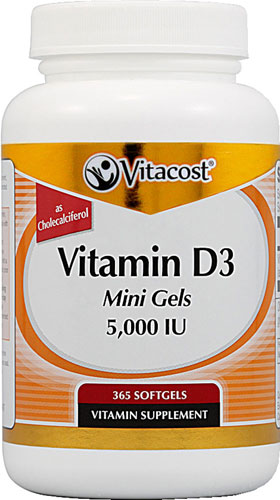
A big thank you to Ted Hutchinson (the chap who got me interested in Vitamin D in 2007) for bringing Vitacost to my attention. Their own-brand 5,000iu Vitamin D3 mini gelcaps product is somewhat cheaper than the Healthy Origins product that I've been using ($12.99 vs $14.99). Click http://www.vitacost.com/Referee?wlsrc=rsReferral&ReferralCode=3320491 when creating a Vitacost account, to get $10 discount on orders over $30.

As imports are liable to VAT + handling charges (usually £8) if the value exceeds £15, the lower price means that I can order two pots of 365 Mini Gels for less than £15.

P&P is slightly more expensive at $7.99 vs $4. Delivery takes about two weeks.

Kamis, 25 Maret 2010

Vitamin D3: Studies from 2005 to present.

I had a rummage through PubMed looking for editorials, meta-studies & human Randomised Controlled Trials on Vitamin D and Vitamin D3 from 2005 to present. Here is a selection (mostly using reasonable doses) that weren't previously mentioned in my Vitamin D blog. They are, now!

The Role of Vitamin D in Cancer Prevention
Estimates of optimal vitamin D status.
Prevalence of Vitamin D inadequacy among postmenopausal North American women receiving osteoporosis therapy.
Fracture prevention with vitamin D supplementation: a meta-analysis of randomized controlled trials.
The re-emerging burden of rickets: a decade of experience from Sydney.
An excess of widespread pain among South Asians: are low levels of vitamin D implicated?
Vitamin D is associated with improved survival in early-stage non-small cell lung cancer patients.
Vitamin D and prevention of colorectal cancer.
Should older people in residential care receive vitamin D to prevent falls? Results of a randomized trial.
Effect of vitamin D replacement on musculoskeletal parameters in school children: a randomized controlled trial.
Effect of cholecalciferol plus calcium on falling in ambulatory older men and women: a 3-year randomized controlled trial.
Vitamin D supplementation improves cytokine profiles in patients with congestive heart failure: a double-blind, randomized, placebo-controlled trial.
Estimation of optimal serum concentrations of 25-hydroxyvitamin D for multiple health outcomes.
Risk factors for vitamin D inadequacy among women with osteoporosis: an international epidemiological study.
A system for improving vitamin D nutrition in residential care.
Impact of dietary and lifestyle on vitamin D in healthy student girls aged 11-15 years.
How much vitamin D3 do the elderly need?
Lower levels of plasma 25-hydroxyvitamin D among young adults at diagnosis of autoimmune type 1 diabetes compared with control subjects: results from the nationwide Diabetes Incidence Study in Sweden (DISS).
A meta-analysis of second cancers after a diagnosis of nonmelanoma skin cancer: additional evidence that solar ultraviolet-B irradiance reduces the risk of internal cancers.
Risk assessment for vitamin D.
Supplementation with calcium + vitamin D enhances the beneficial effect of weight loss on plasma lipid and lipoprotein concentrations.
Serum 25(OH)D levels, dietary intake of vitamin D, and colorectal adenoma recurrence.
The effects of calcium and vitamin D supplementation on blood glucose and markers of inflammation in nondiabetic adults.
Optimal vitamin D status for colorectal cancer prevention: a quantitative meta analysis.
A higher dose of vitamin d reduces the risk of falls in nursing home residents: a randomized, multiple-dose study.
Potentially modifiable determinants of vitamin D status in an older population in the Netherlands: the Hoorn Study.
Fracture prevention with vitamin D supplementation: considering the inconsistent results.
A prospective study of plasma vitamin D metabolites, vitamin D receptor polymorphisms, and prostate cancer.
The role of vitamin D and calcium in type 2 diabetes. A systematic review and meta-analysis.
A single dose of vitamin D enhances immunity to mycobacteria.
Does solar exposure, as indicated by the non-melanoma skin cancers, protect from solid cancers: vitamin D as a possible explanation.
Vitamin D intake and breast cancer risk in postmenopausal women: the Iowa Women's Health Study.
Vitamin D and calcium supplementation reduces cancer risk: results of a randomized trial.
Bone mineral density and bone markers in patients with a recent low-energy fracture: effect of 1 y of treatment with calcium and vitamin D.
Vitamin D deficiency in multicultural primary care: a case series of 299 patients.
Vitamin D supplementation and total mortality: a meta-analysis of randomized controlled trials.
Efficacy of different doses and time intervals of oral vitamin D supplementation with or without calcium in elderly nursing home residents.
Vitamin D status and response to Vitamin D(3) in obese vs. non-obese African American children.
Vitamin D and skin physiology: a D-lightful story.
Additive benefit of higher testosterone levels and vitamin D plus calcium supplementation in regard to fall risk reduction among older men and women.
Rapid correction of low vitamin D status in nursing home residents.
Effects of a long-term vitamin D and calcium supplementation on falls and parameters of muscle function in community-dwelling older individuals.
Prevalence of vitamin d insufficiency in patients with Parkinson disease and Alzheimer disease.
Exploration of association of 1,25-OH2D3 with augmentation index, a composite measure of arterial stiffness.
Vitamin D and prevention of colorectal adenoma: a meta-analysis.
The tolerability and biochemical effects of high-dose bolus vitamin D2 and D3 supplementation in patients with vitamin D insufficiency.
Administration of oral vitamin D induces cathelicidin production in atopic individuals.
Estimation of the dietary requirement for vitamin D in healthy adults.
Changes in 25-Hydroxyvitamin D3 to oral treatment with vitamin D3 in postmenopausal females with osteoporosis.
Vitamin D or hormone D deficiency in autoimmune rheumatic diseases, including undifferentiated connective tissue disease.
High-dose oral vitamin D3 supplementation in the elderly.
A double-blind, randomized, placebo-controlled trial of the short-term effect of vitamin D3 supplementation on insulin sensitivity in apparently healthy, middle-aged, centrally obese men.
Vitamin D deficiency in older men.
Serum vitamin D and risk of pancreatic cancer in the prostate, lung, colorectal, and ovarian screening trial.
Vitamin D supplementation during Antarctic winter.
Vitamin D insufficiency and treatment with oral vitamin D3 in northern-dwelling patients with chronic kidney disease.
Long-term effects of giving nursing home residents bread fortified with 125 microg (5000 IU) vitamin D(3) per daily serving.
Effects of vitamin D and calcium supplementation on markers of apoptosis in normal colon mucosa: a randomized, double-blind, placebo-controlled clinical trial.
Estimation of the dietary requirement for vitamin D in free-living adults >=64 y of age.
Vitamin D supplementation enhances the beneficial effects of weight loss on cardiovascular disease risk markers.
Plasma 25-hydroxyvitamin D concentration and metabolic syndrome among middle-aged and elderly Chinese individuals.
Meta-analysis: longitudinal studies of serum vitamin D and colorectal cancer risk.
Effect of vitamin D supplementation in the institutionalized elderly.
Calcitriol ointment 3 microg/g is safe and effective over 52 weeks for the treatment of mild to moderate plaque psoriasis.
Association between 25-hydroxyvitamin D levels and cognitive performance in middle-aged and older European men.
Low parathyroid hormone levels in bedridden geriatric patients with vitamin D deficiency.
Increased levels of 25 hydroxyvitamin D and 1,25-dihydroxyvitamin D after rosuvastatin treatment: a novel pleiotropic effect of statins?
Effect of vitamin D deficiency and replacement on endothelial function in asymptomatic subjects.
Vitamin D and depressive symptoms in women during the winter: a pilot study.
Treatment of vitamin D deficiency increases lower limb muscle strength in institutionalized older people independently of regular physical activity: a randomized double-blind controlled trial.
Vitamin D, parathyroid hormone and the metabolic syndrome in middle-aged and older European men.
Vitamin D supplementation reduces insulin resistance in South Asian women living in New Zealand who are insulin resistant and vitamin D deficient - a randomised, placebo-controlled trial.
Fall prevention with supplemental and active forms of vitamin D: a meta-analysis of randomised controlled trials.
Meta-analysis of vitamin D, calcium and the prevention of breast cancer.
Effects of vitamin d and calcium on proliferation and differentiation in normal colon mucosa: a randomized clinical trial.
Combination of alfacalcidol with calcium can improve quadriceps muscle strength in elderly ambulatory Thai women who have hypovitaminosis D: a randomized controlled trial.
Vitamin D(3) induces expression of human cathelicidin antimicrobial peptide 18 in newborns.
Levels of vitamin D and cardiometabolic disorders: systematic review and meta-analysis.
No significant effect on bone mineral density by high doses of vitamin D3 given to overweight subjects for one year.
Effects of supplemental vitamin D and calcium on oxidative DNA damage marker in normal colorectal mucosa: a randomized clinical trial.
Vitamin D levels, lung function, and steroid response in adult asthma.
Association between pre-diagnostic circulating vitamin D concentration and risk of colorectal cancer in European populations:a nested case-control study.
Pandemic preparedness for swine flu influenza in the United States.
Randomized trial of vitamin D supplementation to prevent seasonal influenza A in schoolchildren.
Vitamin D supplementation suppresses age-induced bone turnover in older women who are vitamin D deficient.
Suppression of C-terminal telopeptide in hypovitaminosis D requires calcium as well as vitamin D.
A phase I/II dose-escalation trial of vitamin D3 and calcium in multiple sclerosis.
Milk fortified with the current adequate intake for vitamin D (5 microg) increases serum 25-hydroxyvitamin D compared to control milk but is not sufficient to prevent a seasonal decline in young women.
Vitamin D-vitamin K interaction: effect of vitamin D supplementation on serum percentage undercarboxylated osteocalcin, a sensitive measure of vitamin K status, in Danish girls.
Vitamin D status and impact of vitamin D3 and/or calcium supplementation in a randomized pilot study in the Southeastern United States.
Calcium/vitamin D supplementation and coronary artery calcification in the Women's Health Initiative.
Circulating 25-hydroxyvitamin D and risk of pancreatic cancer: Cohort Consortium Vitamin D Pooling Project of Rarer Cancers.*
A 16-week randomized clinical trial of 2000 international units daily vitamin D3 supplementation in black youth: 25-hydroxyvitamin D, adiposity, and arterial stiffness.
The effect of narrowband UV-B treatment for psoriasis on vitamin D status during wintertime in Ireland.
Effects of vitamin D supplementation to children diagnosed with pneumonia in Kabul: a randomised controlled trial.
Dairy calcium intake, serum vitamin D, and successful weight loss.
Atorvastatin increases 25-hydroxy vitamin D concentrations in patients with polycystic ovary syndrome.
A randomized controlled trial of the effects of vitamin D on muscle strength and mobility in older women with vitamin D insufficiency.
Serum 25-hydroxyvitamin D concentration is associated with functional capacity in older adults with heart failure.
Effect of vitamin D supplementation on testosterone levels in men.
Vitamin D production depends on ultraviolet-B dose but not on dose rate: a randomized controlled trial.
Vitamin D(3) is more potent than vitamin D(2) in humans.
Nutrients and foods for the primary prevention of asthma and allergy: systematic review and meta-analysis.
High-dose vitamin D(3) during intensive-phase antimicrobial treatment of pulmonary tuberculosis: a double-blind randomised controlled trial.
Circulating 25-hydroxyvitamin D levels and frailty in older men: the osteoporotic fractures in men study.
Association of low serum 25-hydroxyvitamin D levels and mortality in the critically ill.
Effects of vitamin D supplementation on 25-hydroxyvitamin D, high-density lipoprotein cholesterol, and other cardiovascular disease risk markers in subjects with elevated waist circumference.
Changes in balance, functional performance and fall risk following whole body vibration training and vitamin D supplementation in institutionalized elderly women. A 6 month randomized controlled trial.
Diet induced thermogenesis, fat oxidation and food intake following sequential meals: influence of calcium and vitamin D.
The response of elderly veterans to daily vitamin D3 supplementation of 2,000 IU: a pilot efficacy study.
Meta-analysis: Circulating vitamin D and ovarian cancer risk.
Relation of vitamin D level to maximal oxygen uptake in adults.
Vitamin D status in patients with stage IV colorectal cancer: findings from Intergroup trial N9741.
Circulating levels of vitamin D and colon and rectal cancer: the Physicians' Health Study and a meta-analysis of prospective studies.
Burning daylight: balancing vitamin D requirements with sensible sun exposure.
Relationships between vitamin D status and cardio-metabolic risk factors in young European adults.
Latitude is significantly associated with the prevalence of multiple sclerosis: a meta-analysis.
Vitamin D status and early age-related macular degeneration in postmenopausal women.
Vitamin D and clinical disease progression in HIV infection: results from the EuroSIDA study.
Annual high-dose vitamin D3 and mental well-being: randomised controlled trial.
Vitamin D status and outcomes in heart failure patients.
The impact of vitamin D status on periodontal surgery outcomes.
The role of paricalcitol on proteinuria.
Effects of weight loss on serum vitamin D in postmenopausal women.
Vitamin D status and mortality risk in CKD: a meta-analysis of prospective studies.
Vitamin D intake and risk of cardiovascular disease in US men and women.
Meta-analysis: Serum vitamin D and colorectal adenoma risk.
Calcium plus vitamin D supplementation and the risk of nonmelanoma and melanoma skin cancer: post hoc analyses of the women's health initiative randomized controlled trial.
Effects of vitamin D and calcium supplementation on pancreatic β cell function, insulin sensitivity, and glycemia in adults at high risk of diabetes: the Calcium and Vitamin D for Diabetes Mellitus (CaDDM) randomized controlled trial.
Vitamin D supplementation for prevention of mortality in adults.
The effect of calcium plus vitamin D on risk for invasive cancer: results of the Women's Health Initiative (WHI) calcium plus vitamin D randomized clinical trial.
New clinical trials with vitamin D and analogs in renal disease.
The relation between vitamin D deficiency and fibromyalgia syndrome in women.
Interventions for latent autoimmune diabetes (LADA) in adults.
Calcium and vitamin D supplementation is associated with decreased abdominal visceral adipose tissue in overweight and obese adults.
Effect of vitamin D supplementation on muscle strength, gait and balance in older adults: a systematic review and meta-analysis.
Vitamin D3 and the risk of CVD in overweight and obese women: a randomised controlled trial.
Low 25-hydroxyvitamin D is associated with increased mortality in female nursing home residents.
Improvement of vitamin D status resulted in amelioration of biomarkers of systemic inflammation in the subjects with type 2 diabetes.
Vitamin D supplementation in infants with chronic congestive heart failure.
Vitamin D reduces musculoskeletal pain after infusion of zoledronic acid for postmenopausal osteoporosis.
Consumption of vitamin D-and calcium-fortified soft white cheese lowers the biochemical marker of bone resorption TRAP 5b in postmenopausal women at moderate risk of osteoporosis fracture.
Vitamin D improves viral response in hepatitis C genotype 2-3 naïve patients.
Vitamin D supplementation in the treatment of atopic dermatitis: a clinical trial study.
Effect of vitamin D repletion on urinary calcium excretion among kidney stone formers.
25-Hydroxyvitamin D levels and the risk of stroke: a prospective study and meta-analysis.
Improvement of vitamin D status via daily intake of fortified yogurt drink either with or without extra calcium ameliorates systemic inflammatory biomarkers, including adipokines, in the subjects with type 2 diabetes.
Treatment of vitamin D insufficiency in children and adolescents with inflammatory bowel disease: a randomized clinical trial comparing three regimens.
Therapeutic effects of calcium & vitamin D supplementation in women with PCOS.
Higher vitamin D dietary intake is associated with lower risk of alzheimer's disease: a 7-year follow-up.
Vitamin D3 supplementation at 4000 international units per day for one year results in a decrease of positive cores at repeat biopsy in subjects with low-risk prostate cancer under active surveillance.
Comparison of narrowband ultraviolet B exposure and oral vitamin D substitution on serum 25-hydroxyvitamin D concentration.
The relation between sunscreen layer thickness and vitamin D production after ultraviolet B exposure: a randomized clinical trial.
Circulating 25-hydroxyvitamin D concentration and the risk of type 2 diabetes: results from the European Prospective Investigation into Cancer (EPIC)-Norfolk cohort and updated meta-analysis of prospective studies.
Vitamin D3 therapy corrects the tissue sensitivity to angiotensin ii akin to the action of a converting enzyme inhibitor in obese hypertensives: an interventional study.
The effect of combined calcium and cholecalciferol supplementation on bone mineral density in elderly women with moderate chronic kidney disease.
Comparison of vitamin D2 and vitamin D3 supplementation in raising serum 25-hydroxyvitamin D status: a systematic review and meta-analysis.
Relative effectiveness of oral 25-hydroxyvitamin D3 and vitamin D3 in raising wintertime serum 25-hydroxyvitamin D in older adults.
Vitamin D supplementation and depression in the women's health initiative calcium and vitamin D trial.
Vitamin D with calcium reduces mortality: patient level pooled analysis of 70,528 patients from eight major vitamin D trials.
An open label, randomized controlled study of oral calcitriol for the treatment of proteinuria in patients with diabetic kidney disease.
Ergocalciferol from mushrooms or supplements consumed with a standard meal increases 25-hydroxyergocalciferol but decreases 25-hydroxycholecalciferol in the serum of healthy adults.
Narrowband ultraviolet B three times per week is more effective in treating vitamin D deficiency than 1600 IU oral vitamin D₃ per day: a randomized clinical trial.
Vitamin D intake is inversely related to risk of developing metabolic syndrome in African American and white men and women over 20 y: the Coronary Artery Risk Development in Young Adults study.
Vitamin D and gestational diabetes: a systematic review and meta-analysis.
Associations between 25-hydroxyvitamin D and weight gain in elderly women.
Effect of cholecalciferol as adjunctive therapy with insulin on protective immunologic profile and decline of residual β-cell function in new-onset type 1 diabetes mellitus.
A pooled analysis of vitamin D dose requirements for fracture prevention.
Determinants and effects of vitamin D supplementation on serum 25-hydroxy-vitamin D levels in patients with rheumatoid arthritis.
Vitamin D is a major determinant of bone mineral density at school age.
Effect of vitamin D and inhaled corticosteroid treatment on lung function in children.
Serum 25-hydroxyvitamin D3 and D2 and non-clinical psychotic experiences in childhood.
Vitamin D deficiency in postmenopausal, healthy women predicts increased cardiovascular events: a 16-year follow-up study.
Randomized trial of vitamin D supplementation and risk of acute respiratory infection in Mongolia.
25-hydroxyvitamin d levels and risk of ischemic heart disease, myocardial infarction, and early death: population-based study and meta-analyses of 18 and 17 studies.
Association of low serum 25-hydroxyvitamin D levels and acute kidney injury in the critically ill.
A 12-week double-blind randomized clinical trial of vitamin D₃ supplementation on body fat mass in healthy overweight and obese women.
Circulating 25-hydroxy-vitamin D and risk of cardiovascular disease: a meta-analysis of prospective studies.
Relation of severe deficiency of vitamin D to cardiovascular mortality during acute coronary syndromes.
Vitamin D reduces left atrial volume in patients with left ventricular hypertrophy and chronic kidney disease.
Interventions for preventing falls in older people in care facilities and hospitals.

*See Vitamin D and UV fluctuations for an explanation.

Phew! That's a bit more than I expected.

If you fancy doing a search yourself, click on PubMed.

Selasa, 19 Januari 2010

Ban Butter, Part 4,400?

By the time I've finished typing this, there will probably be over 4,400 blogs containing the phrase "Ban Butter". I'm not going to call Shyam Kolvekar rude names. He's a heart surgeon so he's probably very good at cutting people's chests open, removing clogged coronary arteries and grafting in veins removed from legs or whatever it is they do. I don't really wanna know!

He obviously doesn't read our blogs, or he wouldn't have said what he did. If he didn't get any money from Unilever for saying it, that's rather foolish. If I'm going to risk being called every rude name under the sun, I want it to be worth my while.

Anyway, in case you missed it, here's Meta-analysis of prospective cohort studies evaluating the association of saturated fat with cardiovascular disease.

See also Fats and Fatty Acids in Human Nutrition and specifically Dietary Fat and Coronary Heart Disease: Summary of Evidence from Prospective Cohort and Randomised Controlled Trials.

I personally use Anchor Spreadable (kept in the 'fridge) or Anchor/Kerrygold (kept out of the 'fridge) as they're from grass-fed cows.

Finally, for a little light relief, see Butter vs Margarine.

Update: From Hartke Is Online!

Kamis, 29 Januari 2009

So, when & where did it all go wrong?

No, I'm not talking about Demand Five! I'm talking about us, modern man & woman. We have improved hygiene, clean water & food, modern medicine, anti-biotics, anti-virals etc. We should be enjoying good health and vitality into our nineties. We're not, though. Degenerative diseases like Type 2 Diabetes, Coronary Heart Disease, Cancer, Dementia, IBS etc are afflicting increasing numbers of people (including youngsters) and are even starting to reduce our longevity statistics. Why?

On one side of the fence are the anti-animal fat brigade who claim that animal fats are the cause of all our health problems and that we should all be eating more vegetable fats and reducing our cholesterol.

On the other side of the fence are the anti-carb brigade who claim that carbohydrates are the cause of all our health problems and that we should all be eating less carbohydrates and increasing our fat consumption.

I'm sure you can guess where I am. I have the splinters to prove it!

In 1911, hydrogenated vegetable oil (Crisco) entered the marketplace. So, in 1911, fat turned bad! See The rise and fall of Crisco.

Interestingly, rates of Coronary Heart Disease started to rise from 1920, 9 years later. Co-incidence?

Our genes may have not changed much in the last few hundred thousand years, but our lifestyles certainly have. We now live mostly sedentary lives (which makes our muscles less sensitive to insulin). We now live and work mostly indoors (which makes us deficient in Vitamin D).

We now don't eat much oily fish. Our vegetables contain much less omega-3 fat than they used to (to make them stay fresh for longer). Our meat now contains much more omega-6 and much less omega-3 fat than it used to (due to feeding animals on grains). These changes make us deficient in omega-3 fat (which makes our muscles less sensitive to insulin).

We now eat loads of refined carbohydrate (which causes unstable blood glucose & insulin levels) and loads of processed foods (which makes us deficient in Magnesium and fibre/fiber).

As a result of all of the above changes, we have many modern diseases. We can't blame it on one factor only. So, what can we do? Here's one suggestion....


Good health!

Rabu, 07 Januari 2009

Vegetarians & vegans, listen up!

Firstly, by vegetarian I mean someone who does not eat the flesh of animals. This includes fish and chicken.

Dr. Michael Greger M.D. ("The Vegan MD") has a very informative and witty lecture Optimum Vegetarian Nutrition: Surprising New Research on Omega 3's and B12.

In a nutshell, vegetarians & vegans don't live any longer than omnivores – as shown in a study of 28,000 subjects. Vegetarians & vegans have the same rates of coronary heart disease as omnivores but double the rates of Alzheimer's Disease. WHY? There are two reasons.

1) Vegetarians and vegans don't eat oily fish and most don't eat cracked or ground-up linseeds either. This means that the ratio of omega-6 to omega-3 fats in their diet is way too high. This increases the risk of diabetes, certain cancers and heart disease.

2) Only animal produce naturally contains Vitamin B12. Lack of B12 in the diet raises the level of homocysteine in the blood, which attacks artery walls. This raises the risk of heart disease and Alzheimer's Disease. What to do?

1) Eat 25g (women) or 50g (men) of powdered brown or golden linseeds per day or add 10g (women) or 20g (men) of flax-seed oil to food per day or take 10 (women) or 20 (men) 1000mg flax-seed oil capsules per day. Or supplement with ~1000mg/day vegan DHA.

2) Eat foods fortified with vegan B12 or supplement with vegan B12.

'Nuff said?

Kamis, 18 Desember 2008

Cholesterol And Coronary Heart Disease

Cholesterol & coronary heart disease are mentioned a lot in the media. Unfortunately, most of what you see & hear is either completely wrong, or dumbed-down so much that it's inaccurate.

Fat & cholesterol don't stick to the insides of artery walls like grease on the inside of a drainpipe. This article explains what cholesterol is, how arteries get blocked and how to minimise the risk of having a heart attack or ischaemic stroke.

What is cholesterol?
Cholesterol is a large, waxy molecule (C27H45OH) consisting of a hydrocarbon (fat-soluble) tail, a middle section consisting of four carbon rings (the steroid bit) and an alcohol (water-soluble) group on the end. Cholesterol is a powerful anti-oxidant and is what bile acids, mineralcorticoids, glucocorticoids and sex hormones are made from.

Cholesterol is "chauffeured" around the body in lipoprotein "limousines". Lipoproteins are lipo (fat-soluble) at one end, protein (water-soluble) at the other end and they form a spherical shell around their contents with the lipo end pointing inwards and the protein end pointing outwards. The shell is like the body of the limousine. In the shell, there are apo(lipo)proteins which are like the chauffeur, as they determine where the particles are taken up. HDL has apo A in its shell which makes it get taken up by receptors in the liver. LDL has apo B in its shell which makes it get taken up by receptors in cells, artery walls etc. The passengers are cholesterol, cholesteryl esters, phospholipids and triglycerides. These limousines have different types, like chylomicrons, VLDL, LDL, IDL & HDL, the difference being the type & amount of apo(lipo)protein and the relative proportions of cholesterol & the other passengers. There are also sub-groups of each type.

The different variants are affected by serum triglycerides. High serum triglycerides (caused by a chronic over-consumption of sugary & starchy carbohydrates for activity level) result in cholesterol-depleted, triglyceride-rich particles and low serum triglycerides result in cholesterol-rich, triglyceride-depleted particles. As cholesterol is a powerful antioxidant, small cholesterol-depleted particles (Type B) oxidise faster than large cholesterol-rich ones (Type A).

Oxidised LDL particles are "bad cholesterol" and are swallowed by scavenger macrophages. These expand into foam cells, which become embedded in the intima of artery walls. Other processes occur which cause cholesterol & calcium to accumulate as a plaque inside the media of artery walls. To see a cross-section through an artery wall, click HERE and scroll down to the bottom of the page. Unoxidised LDL particles are not swallowed by scavenger macrophages, so unoxidised LDL particles are not "bad cholesterol". In young people, plaques of cholesterol with no calcium can accumulate, making Coronary Artery Calcium (CAC) scans ineffective. See Stenosis Can Still Exist in Absence of Coronary Calcium.

Plaques force the inner artery wall inwards, making the artery narrower, impeding the flow of blood through it. This can cause angina pectoris (pain in the chest) as the heart is starved of oxygen, or vascular dementia as the brain is starved of blood. Eventually, the cap covering the plaque can rupture, causing chunks of plaque to circulate and block coronary arteries (causing a heart attack), or cerebral arteries (causing an ischaemic stroke).

It's possible to reduce serum triglycerides significantly by eating lots of long-chain omega-3 fats from oily fish. These inhibit the conversion of glucose into triglycerides. Inhibiting the conversion of glucose into triglycerides can result in increased blood glucose levels (not good - see below) if sugary/starchy carbohydrate intake is too high. Solution? Reduce sugary/starchy carbohydrate intake to suit activity level.

Why do foam cells embed themselves into the intima of artery walls?
Arteries are elastic, muscular tubes which stretch a bit each time the heart pumps and contract again between beats. They also relax & constrict to control the flow of blood through them. When you get cold, they constrict to reduce the flow of blood to the skin to prevent excessive heat loss. When you get hot, they open to increase the flow of blood to the skin to increase heat loss.

Foam cells don't go just anywhere. They embed themselves into damaged areas of artery walls. This is a good thing otherwise damaged artery walls could rupture, causing a haemorrhage.

What damages artery walls?
Chronically-high blood pressure.
Chronically-high blood glucose.
Chronically-high blood free radicals.
Chronically-high blood homocysteine.
Chronically-low blood antioxidants.
Chronically-high blood pro-oxidants.
Chronically-low blood anti-inflammatories.
Chronically-low Vitamin K2.
Chronically-high LDL due to hypothyroidism or other factors.

How can I reduce damage to artery walls?
1) Have blood pressure (BP) tested regularly. There's one problem with having your BP taken in a GP's surgery and that is 'white-coat hypertension' where the stress of having your arm squeezed by the cuff sends your BP up! If you buy your own BP monitor (Lloyds pharmacy sell a fully automatic BP monitor with standard cuff for £9.99), you can become accustomed to using it and overcome white-coat hypertension. 5,000iu/day of Vitamin D3 can reduce BP by making artery walls more elastic. 4g/day of Epsom Salts provides 400mg/day of magnesium, which acts as a smooth muscle relaxant, reducing BP & cardiac arrhythmias.

2) Have blood glucose (BG) tested regularly. If you're lucky, you may be able to get a HbA1c test. This shows accumulated damage to red blood cells by blood glucose.

3) Don't smoke! Apart from lung cancer, chronic obstructive pulmonary disease & emphysema, smoking speeds the oxidation of LDL.

4) Take a B-complex containing B6, B12 & folic acid, which lowers serum homocysteine levels.

5) Eat a diet rich in anti-oxidants from coloured veggies (beta-carotene), fruits (Vitamin C + bioflavonoids), tomatoes (lycopene), nuts & seeds (gamma-tocopherol & copper), Brazil nuts (selenium), beer/wine in moderation (muscle relaxant), green tea (polyphenols), cocoa/dark chocolate (polyphenols & copper), onions/garlic (quercetin) etc. See Antioxidant state and mortality from coronary heart disease in Lithuanian and Swedish men: concomitant cross sectional study of men aged 50.

6) In men and non-menstruating women, too much iron in the blood relative to copper is pro-oxidant, so don't supplement with iron. Menstruating women have the opposite problem. See The unusual suspects.

7) Take about 2g/day of long-chain omega-3 fats from oily fish, or about 20g/day of flaxseed oil if male, or about 10g/day of flaxseed oil if female. Please note that tinned tuna contains virtually zero omega-3 fats. See Clinical nutrition: 4. Omega-3 fatty acids in cardiovascular care.

8) Eat a diet rich in Vitamin K2, to make calcium go into bones & teeth, instead of arteries, kidneys & brain. For good sources of Vitamin K2, see HERE. Note: Warfarin/Coumadin works by depleting Vitamin K, so lots of Vitamin K2 makes Warfarin/Coumadin ineffective.

9) If you're feeling tired and are gaining weight for no obvious reason, get serum thyroid hormone levels tested (TSH, FT4 & FT3 preferably), as low thyroid hormones down-regulate LDL receptors, resulting in LDL particles lingering in the blood for longer than usual. This increases the oxidation of these particles.

What about Benecol & Flora Pro-Activ?
These yoghurts & spreads contain plant sterols/stanols, which reduce total serum cholesterol by up to 15%. However, LDL quality is more important than LDL quantity (up to a point) and there is no evidence that these foods save lives.

What about statins?
Statins (HydroxyMethylGlutarate Coenzyme-A Reductase inhibitors) reduce serum cholesterol. They also have anti-inflammatory & anti-clotting effects by reducing levels of the non-sterol derivative mevalonate and subsequent products. Click HERE to see the cholesterol synthesis pathway. Statins save lives in people who have had a heart attack and in men between the ages of 30 and 60. However, younger & older men and women do not get a significant reduction in deaths, (though heart-attack deaths may be reduced) and there can be undesirable side-effects (muscle pains, memory loss etc). I strongly recommend that anyone taking statins should supplement with at least 100mg/day of Co-Q10, as the synthesis of this vital substance is reduced. Note that fish oils have anti-inflammatory, anti-clotting and anti-arrhythmia actions, but don't suppress the production of Co-Q10.

What about dietary cholesterol?
When cholesterol is eaten, the liver produces less cholesterol. An average egg contains about 250mg of cholesterol. The vast majority of people (who don't have genes for familial hypercholesterolaemia) can eat two eggs a day without significantly affecting their serum cholesterol & triglyceride levels. See Effect of dietary egg on human serum cholesterol and triglycerides, and Eat Whole Eggs All Day and Throw Your Statins Away? 375x Increased Dietary Cholesterol Intake From Eggs Reduces Visceral Fat & Promotes Healthy Cholesterol Metabolism. People with ApoE4/E4 are more sensitive to dietary cholesterol raising serum LDL, and cannot eat cholesterol willy-nilly.

There are a couple of sites that have CVD risk calculators, JBS2 and QRISK®2-2013. The National Institute for Clinical Excellence (NICE) no longer recommends the use of JBS2, as it's overly-pessimistic. Note that CVD mortality isn't the same thing as overall mortality. Higher than "normal" total cholesterol level is associated with lower overall mortality, according to Research finds ‘raised’ cholesterol to be associated with a reduced risk of death.