This is just a mind blow
Rabu, 29 Februari 2012

BBC discovers intervals
how long is it since that Tabata study? The BBC finally discover intervals
I commented on this over at the Body By Science site
I go over all of this science in by book Hillfit by the way.
Martin Gibala has been researching this too for a while and at least he looks lean
I commented on this over at the Body By Science site
Just watched the BBC Horizon programme and the key bit was about what they called HIT but was really HIIT - interval training on an exercise bike. This benefitted the subject who improved his insulin sensitivity but - due they said to his genetics - did not improve his VO2 Max. They explained how this intense exercise had an impact on his glucose metabolism, emptying his muscles of glycogen so that they were able to absorb more glucose form the blood.
This was good in that we are inching along towards an understanding of the benefits of intense exercise, but disappointing in that we never seem to go the whole way from interval training to intense resistance training. If you really want to empty your glycogen stores and have some intense exercise, then go for BBS style HIT!
The other thing was that I found it disconcerting that the scientist who was extolling HIIT was not lean but on the way to obesity…..
I go over all of this science in by book Hillfit by the way.
Martin Gibala has been researching this too for a while and at least he looks lean
Watch where you are looking
Z Health have a thing about the impact of the visual system on strength - basically if you look up it facilitates extension, while looking down facilitates flexion. I wrote about it in a post a ways back - The eyes have it... This idea that eye position corrolates with muscle action: flexion is enhanced by looking down; extension by looking up came to mind when I saw this report / study:
We make our eye movements earlier or later in order to coordinate with movements of our arms, New York University neuroscientists have found.
We make our eye movements earlier or later in order to coordinate with movements of our arms, New York University neuroscientists have found.
How care homes are blinding their residents.
Now that I have your full attention (!), care & nursing homes are not blinding them in the conventional sense. What's in the picture below?
 I haven't the foggiest idea! I found the image using Google Image search and it's called blurry-1.jpg.
This is what the world looks like to residents who have either not been given their glasses, or who have been given their glasses but the lenses are filthy.
Mum's lenses were filthy this morning. I've written it in the book and informed the manager. Another lady has been at the home for ages and still doesn't have glasses, despite asking for them repeatedly. Her relatives didn't supply the home with any. This sort of thing makes me so mad!
Mum pays ~£1,000 a week to stay at this care home. It's well-run, but on mum's floor (severely disabled) during the day, there are 4 carers + 1 nurse for 18 residents. It takes 2 carers to bath or toilet a resident (my sister damaged her back and had to take early retirement, as there were no health & safety guidelines for lifting in her day) and there is a lot of paperwork.
EDIT: The care home is arranging for the lady whose relatives didn't supply the home with any glasses to get some, so it's not all bad news.
I haven't the foggiest idea! I found the image using Google Image search and it's called blurry-1.jpg.This is what the world looks like to residents who have either not been given their glasses, or who have been given their glasses but the lenses are filthy.
Mum's lenses were filthy this morning. I've written it in the book and informed the manager. Another lady has been at the home for ages and still doesn't have glasses, despite asking for them repeatedly. Her relatives didn't supply the home with any. This sort of thing makes me so mad!
Mum pays ~£1,000 a week to stay at this care home. It's well-run, but on mum's floor (severely disabled) during the day, there are 4 carers + 1 nurse for 18 residents. It takes 2 carers to bath or toilet a resident (my sister damaged her back and had to take early retirement, as there were no health & safety guidelines for lifting in her day) and there is a lot of paperwork.
EDIT: The care home is arranging for the lady whose relatives didn't supply the home with any glasses to get some, so it's not all bad news.
Selasa, 28 Februari 2012
I am not my diet
There is more to me than what I eat or what I believe about what I eat.
The whole debate about carbs is worrying me. People are not getting it as Dr Kurt Harris says we need to be macro agnostic. Remove the bad stuff - primarily gluten grains and vegetable oils - then you have a lot of leeway. But people become so identified with their diets that change becomes a challenge at an ontological level
The whole debate about carbs is worrying me. People are not getting it as Dr Kurt Harris says we need to be macro agnostic. Remove the bad stuff - primarily gluten grains and vegetable oils - then you have a lot of leeway. But people become so identified with their diets that change becomes a challenge at an ontological level

Discrimination is bad, mmmkay?
This is a post copied from Nigel, but it is powerful. My own Dad has dementia and the reality of it beings all this stuff to life. I hope he excuses my hijacking of his material but it is very important. I've seen those things too.....
Discrimination is bad, mmmkay?: What do the following three images have in common? Images found with Google Image search.


They are all unable to fend for themselves or express how they feel. They all need a lot of care and attention and can be very demanding. The last two also have to be fed & toileted.
So why is it that the first two images make people go "Squeeeeeeee!" but the third one doesn't?
Is it because the first two images give you something to look forward to but the third one doesn't?
We're all going to end up old one day if we're "lucky". Just hope and/or pray that when you get there, you either have caring partners and/or relatives to look after you, or independent care for the elderly has improved a lot. I've seen things.

Discrimination is bad, mmmkay?: What do the following three images have in common? Images found with Google Image search.
They are all unable to fend for themselves or express how they feel. They all need a lot of care and attention and can be very demanding. The last two also have to be fed & toileted.
So why is it that the first two images make people go "Squeeeeeeee!" but the third one doesn't?
Is it because the first two images give you something to look forward to but the third one doesn't?
We're all going to end up old one day if we're "lucky". Just hope and/or pray that when you get there, you either have caring partners and/or relatives to look after you, or independent care for the elderly has improved a lot. I've seen things.
Before you pull that all nighter......
For all you workaholics and stressed out students and executives....sleep deprivation is never worth it!

Via: Online Colleges Guide
Via: Online Colleges Guide
Senin, 27 Februari 2012
Strength and Conditioning Research Review
I am an amateur at all this. My day job is nothing to do with this stuff, but | remain fascinated by science, physical fitness and human performance. I read all around the subject and daily scan the latest research, often posting abstracts here that interest me. But my expertise is limited. I look to others with a deeper background to really dissect the research and explain it to me. There are a few people on the internet that do this regularly and helpfully and it is fantastic that two of them have teamed up to launch Strength and Conditioning Research.
A new monthly review
Chris Beardsley and Bret Contreras have just launched this monthly, 50-page publication summarising the latest research in strength and conditioning, biomechanics, physical therapy, and physiology. Now both of those names should make you interested. Chris has a really good blog where he dissects research studies explaining their implications and Bret while known primarily for his work on the glutes (he is the Glute Guy) regularly analyses new exercise science and interprets it for the layman, so you can apply it to your training. Together they are offering something very valuable.
Each month they will sift through the journals, pick out the good stuff, analyse the research and summarise it. I have read the first issue and was taken aback by the sheer amount of work that these two guys have put into it. I know from writing Hillfit just how hard it is to pull ideas together and present them simply and accurately. This is not just cutting and pasting an abstract - they are translating the research and thinking about the application to your training. Such work takes effort, time, experience and expertise and the result is very valuable but it is coming in at only $10 a month.
What do you get?
In the first issue they present analysis of almost 50 studies. In each case they structure their material as Background, So what did the researchers do?, So what happened?, So what were the conclusions? and Practical Implications. For each study you get a real objective analysis and importantly that take away application. There is a free extract here to give you an idea of what is on offer.
Here is Bret talking about the review:
How much does it cost?
If you sign up now, you can get the first edition for $1! After that, they’re going to be $10 each, which is still a real bargain, given the amount of time and work that they must have put into the writing of each article.
I'd agree with Chris and Bret that you won’t find this quality of information anywhere else in this easily accessible format. I am looking forward to reading future issues and learning from them in my own training.
I have no hesitation in recommending that you subscribe to this thing. At least order the first one - for $1 you cannot go wrong.
Disclosure - I do not get anything for this review, but I did receive a free copy of the first issue to read through.
A new monthly review
Chris Beardsley and Bret Contreras have just launched this monthly, 50-page publication summarising the latest research in strength and conditioning, biomechanics, physical therapy, and physiology. Now both of those names should make you interested. Chris has a really good blog where he dissects research studies explaining their implications and Bret while known primarily for his work on the glutes (he is the Glute Guy) regularly analyses new exercise science and interprets it for the layman, so you can apply it to your training. Together they are offering something very valuable.
Each month they will sift through the journals, pick out the good stuff, analyse the research and summarise it. I have read the first issue and was taken aback by the sheer amount of work that these two guys have put into it. I know from writing Hillfit just how hard it is to pull ideas together and present them simply and accurately. This is not just cutting and pasting an abstract - they are translating the research and thinking about the application to your training. Such work takes effort, time, experience and expertise and the result is very valuable but it is coming in at only $10 a month.
What do you get?
In the first issue they present analysis of almost 50 studies. In each case they structure their material as Background, So what did the researchers do?, So what happened?, So what were the conclusions? and Practical Implications. For each study you get a real objective analysis and importantly that take away application. There is a free extract here to give you an idea of what is on offer.
Here is Bret talking about the review:
How much does it cost?
If you sign up now, you can get the first edition for $1! After that, they’re going to be $10 each, which is still a real bargain, given the amount of time and work that they must have put into the writing of each article.
I'd agree with Chris and Bret that you won’t find this quality of information anywhere else in this easily accessible format. I am looking forward to reading future issues and learning from them in my own training.
I have no hesitation in recommending that you subscribe to this thing. At least order the first one - for $1 you cannot go wrong.
Disclosure - I do not get anything for this review, but I did receive a free copy of the first issue to read through.
Physical activity is good, but not if it is part of your job
The health paradox of occupational and leisure-time physical activity
Interesting. We are always told of the benefits of activity, but in the context of "work" it seems that it is not as healthy. There will be lots of factors here - the repetitive nature of work, the psychological stress, the fact that physical jobs tend to be low paid and so other elements of health may be missing - but I like to think that this illustrates the value of what Mark Sisson talks about in terms of play. Work by definition is not playful.
Conclusion The hypothesis was rejected. In a dose–response manner, occupational physical activity increased the risk for LTSA (Long-term sickness absence), while leisure-time physical activity decreased the risk for LTSA. The findings indicate opposing effects of occupational and leisure-time physical activity on global health.
Interesting. We are always told of the benefits of activity, but in the context of "work" it seems that it is not as healthy. There will be lots of factors here - the repetitive nature of work, the psychological stress, the fact that physical jobs tend to be low paid and so other elements of health may be missing - but I like to think that this illustrates the value of what Mark Sisson talks about in terms of play. Work by definition is not playful.
Discrimination is bad, mmmkay?
What do the following three images have in common? Images found with Google Image search.
They are all unable to fend for themselves or express how they feel. They all need a lot of care and attention and can be very demanding. The last two also have to be fed & toileted.
So why is it that the first two images make people go "Squeeeeeeee!" but the third one doesn't?
Is it because the first two images give you something to look forward to but the third one doesn't?
We're all going to end up old one day if we're "lucky". Just hope and/or pray that when you get there, you either have caring partners and/or relatives to look after you, or independent care for the elderly has improved a lot. I've seen things.
They are all unable to fend for themselves or express how they feel. They all need a lot of care and attention and can be very demanding. The last two also have to be fed & toileted.
So why is it that the first two images make people go "Squeeeeeeee!" but the third one doesn't?
Is it because the first two images give you something to look forward to but the third one doesn't?
We're all going to end up old one day if we're "lucky". Just hope and/or pray that when you get there, you either have caring partners and/or relatives to look after you, or independent care for the elderly has improved a lot. I've seen things.
Minggu, 26 Februari 2012
It's all in a day's work (as measured in Joules) Part 2.
Are you as aerobically-fit as this bloke?
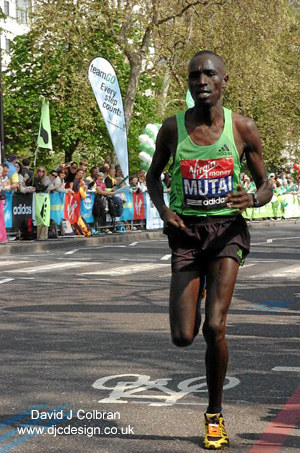 Emmanuel Mutai made it a Kenyan double after winning the Virgin London Marathon in a new course record. Mutai's time of 2:04.38, beats the previous best of 2:05.10 set by Samuel Wanjiru in 2009 and also the fifth-fastest time ever.
I'll take it that's a "no", then.
Elite marathon runners have optimised their metabolisms to use the minimum possible amount of muscle glycogen as fuel. Muscle glycogen storage is limited to ~1,680kcals-worth (~420g of carb)*.
Supercompensation (depletion followed by 3 days of carb-loading) can increase this figure to ~720g*.
Fat storage can amount to ~35,000kcals-worth (~10lb of fat), even in a skinny Kenyan like Mutai.
A blogger called Thor Falk took the data from It's all in a day's work (as measured in Joules) and plotted it as a graph in Fat vs carb burning – a N=1 chart. Here's the graph:-
 Even a super-fit Kenyan like Mutai burns some carbs when running at ~12.5 miles per hour. The less fit that somebody is, the more the first corner in the blue plot moves down and to the left. This results in more carbs being burned at energy consumption levels more than the first corner. This depletes muscle glycogen stores faster, resulting in "hitting the wall" (running out of muscle glycogen) sooner.
Muscles that are depleted of glycogen are more insulin-sensitive than muscles that have more glycogen, therefore the less aerobically-fit somebody is, the sooner their muscles become insulin-sensitive when they exercise.
*Assuming 20kg of muscle (Lore of Running P104)
Emmanuel Mutai made it a Kenyan double after winning the Virgin London Marathon in a new course record. Mutai's time of 2:04.38, beats the previous best of 2:05.10 set by Samuel Wanjiru in 2009 and also the fifth-fastest time ever.I'll take it that's a "no", then.
Elite marathon runners have optimised their metabolisms to use the minimum possible amount of muscle glycogen as fuel. Muscle glycogen storage is limited to ~1,680kcals-worth (~420g of carb)*.
Supercompensation (depletion followed by 3 days of carb-loading) can increase this figure to ~720g*.
Fat storage can amount to ~35,000kcals-worth (~10lb of fat), even in a skinny Kenyan like Mutai.
A blogger called Thor Falk took the data from It's all in a day's work (as measured in Joules) and plotted it as a graph in Fat vs carb burning – a N=1 chart. Here's the graph:-
Even a super-fit Kenyan like Mutai burns some carbs when running at ~12.5 miles per hour. The less fit that somebody is, the more the first corner in the blue plot moves down and to the left. This results in more carbs being burned at energy consumption levels more than the first corner. This depletes muscle glycogen stores faster, resulting in "hitting the wall" (running out of muscle glycogen) sooner.Muscles that are depleted of glycogen are more insulin-sensitive than muscles that have more glycogen, therefore the less aerobically-fit somebody is, the sooner their muscles become insulin-sensitive when they exercise.
*Assuming 20kg of muscle (Lore of Running P104)
Fatigue and Coordination
Yesterday I pointed to a study that said that muscular fatigue impairs coordination. As usual I just did a hit and run post - highlighting the study and then letting you make your own conclusions.
Todd Hargrove picked it up and made some excellent points (Todd always makes excellent points!)
1. To optimize motor learning, minimize fatigue
2. Skill under fatigue may be a skill in itself
3. To avoid skill deterioration from fatigue, work on your fitness
Read the detail in his post.
Todd Hargrove picked it up and made some excellent points (Todd always makes excellent points!)
1. To optimize motor learning, minimize fatigue
2. Skill under fatigue may be a skill in itself
3. To avoid skill deterioration from fatigue, work on your fitness
Read the detail in his post.
Mitochondrial biogenesis
I made a quip the other week that at the moment the perfect study would mention mitchondria, the microbiome and epigenetics. A comment added that neuroplasticity would help too. These are the sexy subjects that are getting funded just now.
Well, this new study ticks one box at least.
Increased Mitochondrial Biogenesis in Muscle Improves Aging Phenotypes in the mtDNA Mutator Mouse
Interesting. So how do you get more mitochondria? Exercise including sprints and resistance training
Well, this new study ticks one box at least.
Increased Mitochondrial Biogenesis in Muscle Improves Aging Phenotypes in the mtDNA Mutator Mouse
Interesting. So how do you get more mitochondria? Exercise including sprints and resistance training
Zero medications.
As mentioned in Both Sides Now: Medications, some medications are essential, as they are hormones that the body can no longer produce for itself due to glandular dysfunction. Other medications act as dietary supplements. It's the medications that change how the body works which can cause problems.
Due to prostatitis, I had been prescribed the alpha-adrenoreceptor blocker Tamsulosin Hydrochloride at a dose of 400ug/day. This reduces constriction of sphincter muscles in the urethra, which alleviates urinary retention. However, it also affects arterioles, the iris in the eye, veins, the stomach, the intestines, male sex organs, the skin, the liver, pancreatic Acini & Islet (beta) cells, fat cells and salivary cells.
I stopped taking Tamsulosin and have had no problems weeing, so the prostatitis has gone. I'm now taking zero medications that change how my body works.
So eating less and moving more does have benefits.

Due to prostatitis, I had been prescribed the alpha-adrenoreceptor blocker Tamsulosin Hydrochloride at a dose of 400ug/day. This reduces constriction of sphincter muscles in the urethra, which alleviates urinary retention. However, it also affects arterioles, the iris in the eye, veins, the stomach, the intestines, male sex organs, the skin, the liver, pancreatic Acini & Islet (beta) cells, fat cells and salivary cells.
I stopped taking Tamsulosin and have had no problems weeing, so the prostatitis has gone. I'm now taking zero medications that change how my body works.
So eating less and moving more does have benefits.
Sabtu, 25 Februari 2012
Skills - practice when you are not tired
The Effect of Muscle Fatigue on Position Sense in an Upper Limb Multi-joint Task
When your muscles are tired you are less able to sense where your limbs are in space. Think of the implications of this for complex skills. Trying to use complex skills as strengthening moves is risky.
That is why I favour big simple movements with low skill levels. Skill conditioning is something different. I apply this in Hillfit
When your muscles are tired you are less able to sense where your limbs are in space. Think of the implications of this for complex skills. Trying to use complex skills as strengthening moves is risky.
That is why I favour big simple movements with low skill levels. Skill conditioning is something different. I apply this in Hillfit
Should we be giving old people BCAAs?
So as you get older there is a loss of muscle, sarcopenia. That can be reduced by exercise, but still the older body is not as good at synthesising muscle.
Also as you get older people tend to eat less protein. You can give them protein supplements....but people don't always like to take them.
This study gave them Leucine supplements instead:
Leucine supplementation chronically improves muscle protein synthesis in older adults consuming the RDA for protein.
It looks promising.
Also as you get older people tend to eat less protein. You can give them protein supplements....but people don't always like to take them.
This study gave them Leucine supplements instead:
Leucine supplementation chronically improves muscle protein synthesis in older adults consuming the RDA for protein.
It looks promising.
Reduced sleep makes you overeat.....
This fits in with a lot of the studies I'd had before about the way in which lack of sleep can contribute to obesity....through messing up your brain and how it reacts to desires for food. Also it fits in with Stephan's work on food reward.
Sleep restriction leads to increased activation of brain regions sensitive to food stimuli.
Sleep restriction leads to increased activation of brain regions sensitive to food stimuli.
RESULTS
Overall neuronal activity in response to food stimuli was greater after restricted sleep than after habitual sleep. In addition, a relative increase in brain activity in areas associated with reward, including the putamen, nucleus accumbens, thalamus, insula, and prefrontal cortex in response to food stimuli, was observed.
CONCLUSIONS:
The findings of this study link restricted sleep and susceptibility to food stimuli and are consistent with the notion that reduced sleep may lead to greater propensity to overeat.
Strength training for stroke survivors
When it comes to strength training I am an enthusiast. More than that I aspire to be an evangelist. I want people to understand and realise the benefits that come to everyone from basic strength training. Yes, athletes benefit but so do non athletes, the office worker, the elderly and the sick. Strength training can be simple but will benefit in so many ways - improved balance, fewer falls, better insulin sensitivity, better leptin sensitivity, better energy metabolism. Yet all these benefits are a mystery to the average person. Exercise is a brisk walk when some modified pushups and squats could do so much.
That was one of the ideas I am trying to get across in the Hillfit book - basic, simple strength training for hiking and backpacking.
This is another study that highlights the benefits of strength training for stroke survivors:
Maximal Strength Training Enhances Strength and Functional Performance in Chronic Stroke Survivors.
There is a similar study here (full pdf available) High-Intensity Resistance Training Improves Muscle Strength, Self-Reported Function, and Disability in Long-Term Stroke Survivors
Walking, getting out of a chair, climbing stairs...these are skills for which we need strength as we get older and as we get injured.
That was one of the ideas I am trying to get across in the Hillfit book - basic, simple strength training for hiking and backpacking.
This is another study that highlights the benefits of strength training for stroke survivors:
Maximal Strength Training Enhances Strength and Functional Performance in Chronic Stroke Survivors.
After training, leg press strength improved by 30.6 kg (75%) and 17.8 kg (86%); plantarflexion strength improved by 35.5 kg (89%) and 28.5 kg (223%) for the unaffected and affected limbs, respectively, significantly different from the control period (all P < 0.01). The 6-min walk test improved by 13.9 m (within training period; P = 0.01), and the Timed Up and Go test time improved by 0.6 secs (within training period; P < 0.05). There were no significant changes in walking economy, peak aerobic capacity, Four-Square Step Test, or health-related quality-of-life after training.While this study did not look say quality of life improved, the Get up and Go test and the walk distance certainly indicate improvements in function.
Maximal strength training improved muscle strength in the most affected as well as in the non affected leg and improved Timed-Up-And-Go time and 6-min walk distance but did not alter Four-Step Square Test time, aerobic status, or quality-of-life among chronic stroke survivors.
There is a similar study here (full pdf available) High-Intensity Resistance Training Improves Muscle Strength, Self-Reported Function, and Disability in Long-Term Stroke Survivors
Walking, getting out of a chair, climbing stairs...these are skills for which we need strength as we get older and as we get injured.
Jumat, 24 Februari 2012
Cheapest Vitamin D3 yet.
A big thank you to Ted Hutchinson (the chap who got me interested in Vitamin D in 2007) for bringing Vitacost to my attention. Their own-brand 5,000iu Vitamin D3 mini gelcaps product is somewhat cheaper than the Healthy Origins product that I've been using ($12.99 vs $14.99). Click http://www.vitacost.com/Referee?wlsrc=rsReferral&ReferralCode=3320491 when creating a Vitacost account, to get $10 discount on orders over $30.
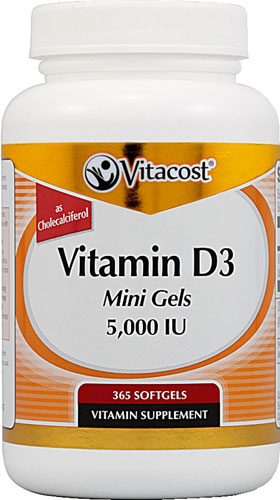 As imports are liable to VAT + handling charges (usually £8) if the value exceeds £15, the lower price means that I can order two pots of 365 Mini Gels for less than £15.
P&P is slightly more expensive at $7.99 vs $4. Delivery takes about two weeks.
As imports are liable to VAT + handling charges (usually £8) if the value exceeds £15, the lower price means that I can order two pots of 365 Mini Gels for less than £15.P&P is slightly more expensive at $7.99 vs $4. Delivery takes about two weeks.
Running Takedowns....
We haven't had any combative's on this blog for a while. Let's put that right:
Congruent Exercise - Wisdom from Bill DeSimone 3
Ok the next instalment of my thoughts on Bill's book. (The series started here)
Summary of Chapter 2. "Full Range of Motion" : Biomechanics or Buzzword
Quote from Bill
Summary of Chapter 2. "Full Range of Motion" : Biomechanics or Buzzword
Fibre recruitment is not based on range of motion. Rather fibre recruitment is proportional to the load and/or the speed . It is not related to the joint angle! Thinking about how muscles contract, they are weaker at the extremes of the motion where there is either active or passive insufficiency. It it through the middle of a muscle's contraction that it is strongest.
We need to train the strongest range of the muscle, which will also mean avoiding lockout where the muscle is under no stress - there is zero lever and the bones take the strain.
We look to work the biomechanically strongest range, the joint angle for peak muscle torque; we want to match the muscle's strongest postion with the most challenging part of the exercise, usually the sticking point or position of maximum moment arm, where the weight is at the further horizontal distance from the joint.
We also look to eliminate the lockout position and the end ranges of the muscle where there are either active or passive insufficiencies.
In addition, we need to avoid movements which create or pass through joint obstructions - that will only promote excess wear and tear and strain.
We should not seek a full range of motion but a full safe and appropriate range of motion!
So pick moves where the muscles are strongest at the point when the motion is hardest!
Quote from Bill
"Full range of motion", while a well-intentioned piece of instruction, was really a product of its time. In the context of bodybuilders doing short pumping motions, and piling on weight for partial lockout reps it was a step in the right direction But once it got taken out fo context, it went too far in unproductive ways and created a need for more precise instruction.
John Sifferman on Elbow Plank VS Pushup-Position Plank
This is good.
In Hillfit I use the pushup plank as a test. If you cannot hold this position for at least a minute then you have no business doing pushups - your core will fail so that you will not be able to keep the pushups going in proper form.
Kamis, 23 Februari 2012
Real Food hits the Daily Mail
I normally can't stand the hypocrisy and self-righteousness of the Mail (plus its on going cancer chronicles) but this is an interesting account of someone that stopped being a vegan, started eating meat and got healthy.
Damn your low fat diet: How a reformed vegan gorges on all the foods his granny enjoyed... and has never felt better
Damn your low fat diet: How a reformed vegan gorges on all the foods his granny enjoyed... and has never felt better
Congruent Exercise - Wisdom from Bill DeSimone 2
Ok the next instalment of my thoughts on Bill's book. (The series started here)
Summary of Chapter1 - Avoiding the Tragic Accident: Biomechanics you need to know
Quote from Bill
Summary of Chapter1 - Avoiding the Tragic Accident: Biomechanics you need to know
- You need to avoid injury. Some exercises, even those promoted in magazines, books and website make injury almost inevitable. There are basic rules that need to be recognised
- Free weights get heavier as you bend - this is basic mechanics and leverage. When the lever arm is longest - the maximum moment arm - it will feel the heaviest....so get into that hard position to start the movement; go from hard to easy or else you may go from easy to hard and never get out of that position
- You can lower more than you can lift - so start with the positive movement not the negative. Lift first, don't lower. If you lower first you might be handlin a weight that you will not be able to lift.
- The spine is not designed to support top heavy loads - the bones of the spine are set up as a pyramid, the whole design is for stability. The lumbar spine is made for stability, the thoracic for some mobility and the cervical for great mobility. The muscles are built in layers, the rotatores, multifidis, erectors. The whole set up is for stability vertebrae to vertebrae, not overall movement. These small muscles are about posture and holding the spine stable, it is the big muscles of the hip that move weight. When you pile a weight on top of all this, the bones and muscles are loaded in a way that they were never intended to cope with.
- Balance - on one leg the small muscles of the hip and spine are at work. The glute medius for example has a primary role of pulling the pelvis down to maintain the centre of gravity ove the grounded foot when you are on one leg. The spine follows this motion. In bodyweight moves it is all about stabilisation. Add weight and you are forcing motion and loading that is inappropriate. So keep added weight near your centre so that the prime mover move you while the stabilisers stabilise....
- Weights Load Limbs, while the deep muscles stabilise joints....to allow the superficial muscles to move those loaded limbs. Don't confuse the two.
- Adopt proper function with respect to bones, muscles and joints and you will avoid catastrophe, reduce strain and more effectively load the muscles.
- Start motions with a positive / concentric motion, from the position of maximum moment arm.
- Don't load the spine with weight on your shoulders
- Let the postural muscles stabilise, not act as prime movers
Quote from Bill
There's no magic attached to one technique or tool vs the other. There are however, specific, documented ways that muscles and joints are supposed to function, and walking into a gym doesn't change that.
A few thoughts on what matters
So it was a long day at work with a variety of stresses and challenges. At the end of it I sat back, drank a glass of wine and thought about the day in the context of the rest of my life. This is what resulted:
It is ok to be nice. Alphas are overrated and the true alphas are the good guys. In the nursing home the winner is the guy with the smile, the alphas burned out long ago or are sitting there alone with no visitors.
Humour, being cheeky, being human is right and can be professional. I like you. I want to help. If you do not see the humour then you are lost.
You still need to know your subject. Honesty beats confidence. Don't talk rubbish with confidence. The ones who know their stuff will realise that you are empty.
You buy from those you like and that includes buying ideas. So be likeable.
Nothing is really that important. Stand back for a minute, think of your best moment then return to your problem.
You will die, become sick or demented. What will matter then? Truth matters. Love matters. Moments matter - that hug, sunset, meal, laugh.
What more do you want?
Rabu, 22 Februari 2012
Congruent Exercise - Wisdom from Bill DeSimone 1

What I might do is a series of short posts. Pulling out some of the profound wisdom from the book. However, I'd still recommend that you buy and read the thing, both to support Bill and to make your training safer and more effective. It is certainly something that I have tried to apply in my book Hillfit on fitness training for hiking.
Summary of the introduction
The book is about delivering the benefits of weight-training without the risk of ether acute or chronic injury. This risk can be minimised by applying the most appropriate joint movements, posture and leverage (moment arm) in other words, biomechanics. This approach is not specific to any equipment - it is a filter through which to shape exercise with bodyweight, free weights or machines.
Quote from Bill:
The one constant is your body and biomechanics.
Neuroplasticity
The brain is at the centre of it all. Tim Anderson's work in Becoming Bulletproof, Todd Hargrove's work, Feldenkrais, Somatics.....all of it comes back to what the brain is doing, learning and modelling.
This is a good article that outlines the background to all this work:
 The Brain: How The Brain Rewires Itself
This is a good article that outlines the background to all this work:

Selasa, 21 Februari 2012
Depression and DNA aging
An interesting one in line with the impact of mind, attitude and social factors on our overall health.
The report is here - Does depression contribute to the aging process?
The report is here - Does depression contribute to the aging process?
Stress has numerous detrimental effects on the human body. Many of these effects are acutely felt by the sufferer, but many more go 'unseen', one of which is shortening of telomere length.
Telomeres are protective caps on the ends of chromosomes and are indicators of aging, as they naturally shorten over time. However, telomeres are also highly susceptible to stress and depression, both of which have repeatedly been linked with premature telomere shortening.
The human stress response is regulated by the hypothalamic-pituitary-adrenal axis, or HPA axis. This axis controls the body's levels of cortisol, the primary stress hormone, and it generally does not function normally in individuals with depression- and stress-related illnesses.
More on stretching
My posts on the stretching research often prompt some reaction. Mike Robertson has a really helpful post which pulls together a lot of the research on stretching: Q&A: Is Static Stretching Good?
It is not a simple as don't stretch, the issue is when and why:
It is not a simple as don't stretch, the issue is when and why:
This is perhaps the most important question – not only is it important that we choose the right type of stretch, but we also need to perform the right stretch at the right time.
For example, I love dynamic stretching – but doing it before bed isn’t a great idea. Who wants to be fired up and neurally primed right before bed?
Don’t answer that
Or imagine an elite athlete getting ready to hit the field – do they want to static stretch (and calm their nervous system and relax their muscles) right before they go out and sprint, run or cut explosively?
Here’s a general framework of when you should use each type of stretch:
- Use static stretches immediately before bed. This will not only help you relax but calm the nervous system and promotes better sleep. One exception could be to use static stretching before lifting sessions if the primary focus of your session/training block is improving mobility, or if you need to increase extensibility in a specific muscle group (i.e. the hip flexors).
- Use dynamic stretches pre-workout, or as part of a mobility circuit throughout the day.
- Use EQI’s immediately post-workout, and only on muscle groups or areas that have been found to be short or too stiff in relation to adjacent segments.
Another one on sleep and obesity
Short sleep duration in association with CT-scanned abdominal fat areas
I suppose I should go to bed now. There have been lots of studies showing this association now. The mechanisms might not be clear but there is certainly something here.
Shorter sleep duration is associated with higher BMI, WC and SFA in men. Further research is needed to explicate the biological mechanisms behind these relationships and to see whether interventions addressing inadequate sleep could treat or prevent obesity by taking gender differences into consideration.
I suppose I should go to bed now. There have been lots of studies showing this association now. The mechanisms might not be clear but there is certainly something here.
Zen and the Art of Elderly Care
Just a quick post prompted by spending the weekend with my Dad. He has dementia. Last week he got a bad infection that meant he had to be taken to a different hospital for treatment. While there he picked up a dose of noro-virus. Great. It is one thing after another when you enter care.
I did get a chance to spend time with him though, which was great. What struck me most in those conversations was the way in which my Dad is living totally in the NOW. Yes he is confused about the past and his location, but his own immediate past means nothing to him. All that matters is where he is NOW, who he is talking to NOW, who is holding his hand, laughing with his jokes, helping him dress.....NOW. It is Zen-like I suppose and made me think about the nature of time, eternity and our experience of it. Lots of philosophies talk about mindfulness and the need to be aware of the present moment as all we have. Even in Christian theology eternity is outwith time.
That is where my Dad is now. The moment is all - yes the past is swirling around him, but he is really only affected by what is right here right now. It is a lesson. Most of my life is spent worrying about work or family, busy with plans and regrets, but the NOW can pass me by. My Dad does not have that problem, but his NOW is a difficult situation. I need to grab the NOW and live it.
Related to all this was a post that Nigel put up today abou the way in which old people in Care Homes are chronically starved of sunlight. They need their D.
I would not normally give people cakes, pastries and sugary drinks. I think crap food is a huge problem responsible for many health issues. However now I happily give my Dad cakes and pastries - he enjoys them and it is too late now for him.
I did get a chance to spend time with him though, which was great. What struck me most in those conversations was the way in which my Dad is living totally in the NOW. Yes he is confused about the past and his location, but his own immediate past means nothing to him. All that matters is where he is NOW, who he is talking to NOW, who is holding his hand, laughing with his jokes, helping him dress.....NOW. It is Zen-like I suppose and made me think about the nature of time, eternity and our experience of it. Lots of philosophies talk about mindfulness and the need to be aware of the present moment as all we have. Even in Christian theology eternity is outwith time.
That is where my Dad is now. The moment is all - yes the past is swirling around him, but he is really only affected by what is right here right now. It is a lesson. Most of my life is spent worrying about work or family, busy with plans and regrets, but the NOW can pass me by. My Dad does not have that problem, but his NOW is a difficult situation. I need to grab the NOW and live it.
Related to all this was a post that Nigel put up today abou the way in which old people in Care Homes are chronically starved of sunlight. They need their D.
I would not normally give people cakes, pastries and sugary drinks. I think crap food is a huge problem responsible for many health issues. However now I happily give my Dad cakes and pastries - he enjoys them and it is too late now for him.
How care homes are starving their residents to death.
Now that I have your full attention (!), care & nursing homes give their residents plenty to eat & drink, so they are not starving them to death in the conventional sense.
So, what am I talking about? Clue:- UVB cannot penetrate window glass. Watch this video.
I'm talking about Vitamin D starvation.
At this time of year, care home residents are dying like flies. My sister (who worked in a care home years ago) told me that this is normal. Three died at mum's care home in the same week recently. All of the residents have one thing in common. They're all pale.
Old people feel the cold, so if they do go outside between March and September, they're covered from head to toe in clothes. They synthesise minimal Vitamin D in their skins for their bodies to store. Then, between September and March, their bodies use up those stores. Vitamin D levels decay exponentially , with a half-life of about 60 days. As Vitamin D levels fall, the risk of getting viral infections greatly increases, mood worsens, aches and pains worsen, blood glucose control worsens, the risk of getting cancer greatly increases. Need I go on?
As Dr. Richard M. Cooper (Private GP, Harley Street) pointed out, ALL of his patients were low in Vitamin D and they were active people who could go outdoors. Many care home residents can't go outdoors. They can get a paltry 400iu Vitamin D from an Adcal-D3 chewable tablet, but they're huge things that taste like sweetened chalk and cause constipation (mum hated them).
Death by Vitamin D starvation is a long, drawn-out process that reduces the quality & length of life for care home residents. Something needs to be done about it. All care home residents should have their serum Vitamin D levels tested and be given Vitamin D3 accordingly. I have broached this subject with the manager of mum's care home.
Mum's on 5,000iu/day of Vitamin D3. Although she is now fairly non compos mentis, she still smiles a lot and laughs at my dreadful jokes. She is also infection-free.
EDIT: Here's a transcript of the important bits from the above video:-
"At this care home, they're proud of their varied menu. Even so, the Government recommends supplements for the over 65's as well as children under 3 and women who are pregnant or breast-feeding. But health charities are demanding clearer guidelines and better advice. Because research into Vitamin D deficiency has revealed associations with all sorts of conditions, including Multiple Sclerosis, Diabetes, Arthritis, Osteoporosis, Heart Disease and even some cancers."
Dr Carrie Ruxton (Nutritionist) said:-
"What I think the Government should do is promote its own policies. It had a policy for years to recommend Vitamin D supplementation for vulnerable groups, like elderly, housebound and pregnant & lactating women and children but at the moment, that's not being done. In my own example, I was pregnant twice and nobody told me to take Vitamin D supplements."
This is unacceptable. As the manager at mum's care home is not responsible for the residents' supplementation, I will be taking this up with the MP for the area.
Update: I spoke to the nurse on Friday 2nd March about mum's medical history. Before Vitamin D3, mum had a Urinary Tract Infection in the previous 9 months. Since Vitamin D3, mum has had no medical problems and she has been happy & contented. Her serum Vitamin D level is in the normal range.
So, what am I talking about? Clue:- UVB cannot penetrate window glass. Watch this video.
I'm talking about Vitamin D starvation.
At this time of year, care home residents are dying like flies. My sister (who worked in a care home years ago) told me that this is normal. Three died at mum's care home in the same week recently. All of the residents have one thing in common. They're all pale.
Old people feel the cold, so if they do go outside between March and September, they're covered from head to toe in clothes. They synthesise minimal Vitamin D in their skins for their bodies to store. Then, between September and March, their bodies use up those stores. Vitamin D levels decay exponentially , with a half-life of about 60 days. As Vitamin D levels fall, the risk of getting viral infections greatly increases, mood worsens, aches and pains worsen, blood glucose control worsens, the risk of getting cancer greatly increases. Need I go on?
As Dr. Richard M. Cooper (Private GP, Harley Street) pointed out, ALL of his patients were low in Vitamin D and they were active people who could go outdoors. Many care home residents can't go outdoors. They can get a paltry 400iu Vitamin D from an Adcal-D3 chewable tablet, but they're huge things that taste like sweetened chalk and cause constipation (mum hated them).
Death by Vitamin D starvation is a long, drawn-out process that reduces the quality & length of life for care home residents. Something needs to be done about it. All care home residents should have their serum Vitamin D levels tested and be given Vitamin D3 accordingly. I have broached this subject with the manager of mum's care home.
Mum's on 5,000iu/day of Vitamin D3. Although she is now fairly non compos mentis, she still smiles a lot and laughs at my dreadful jokes. She is also infection-free.
EDIT: Here's a transcript of the important bits from the above video:-
"At this care home, they're proud of their varied menu. Even so, the Government recommends supplements for the over 65's as well as children under 3 and women who are pregnant or breast-feeding. But health charities are demanding clearer guidelines and better advice. Because research into Vitamin D deficiency has revealed associations with all sorts of conditions, including Multiple Sclerosis, Diabetes, Arthritis, Osteoporosis, Heart Disease and even some cancers."
Dr Carrie Ruxton (Nutritionist) said:-
"What I think the Government should do is promote its own policies. It had a policy for years to recommend Vitamin D supplementation for vulnerable groups, like elderly, housebound and pregnant & lactating women and children but at the moment, that's not being done. In my own example, I was pregnant twice and nobody told me to take Vitamin D supplements."
This is unacceptable. As the manager at mum's care home is not responsible for the residents' supplementation, I will be taking this up with the MP for the area.
Update: I spoke to the nurse on Friday 2nd March about mum's medical history. Before Vitamin D3, mum had a Urinary Tract Infection in the previous 9 months. Since Vitamin D3, mum has had no medical problems and she has been happy & contented. Her serum Vitamin D level is in the normal range.
Senin, 20 Februari 2012
Of course you need to drink more...
This one amused me, especially in the light of Matt Stone's recent post!
In the past I've had a few posts up on this blog which had tried to state that the meme of 8 glasses of water a day had no basis in science - for example the Water Myth!
Then this news release pops up on Eureka:
Cranky today? Even mild dehydration can alter our moods
Scary stuff.
But of course if you read further you get this interesting bit of information:
Danone? Oh that's right, Danone sell Evian and Volvic water..... is it any surprise that they want you to drink more of it?!
Get real folks. The modern obsession with water is a marketing trick.
In the past I've had a few posts up on this blog which had tried to state that the meme of 8 glasses of water a day had no basis in science - for example the Water Myth!
Then this news release pops up on Eureka:
Cranky today? Even mild dehydration can alter our moods
Scary stuff.
But of course if you read further you get this interesting bit of information:
The dehydration studies were supported by Danone Research of France
Danone? Oh that's right, Danone sell Evian and Volvic water..... is it any surprise that they want you to drink more of it?!
Get real folks. The modern obsession with water is a marketing trick.
The mind
This is just a marker to remind myself to do a post on some of the interesting things I've been reading about the mind, particularly the work of Dr Marcora and the psychobiological theory of exhaustion .
Minggu, 19 Februari 2012
You can’t please all of the people...
...all of the time. I see that I've lost a few followers recently. I guess some of my recent posts have been too controversial. The triple-whammy of bad things that happened last year (and which sent me into several months of depression) have all been resolved and my mood is now very positive.
I don't write posts to gain followers. I'm not trying to start a new religion. I write in order to dump my thoughts to hard copy so that I can go over them and also so that you can critique them.
I've just added Food Politics to my blog list. Marion Nestle writes about it, so I don't have to.
I don't write posts to gain followers. I'm not trying to start a new religion. I write in order to dump my thoughts to hard copy so that I can go over them and also so that you can critique them.
I've just added Food Politics to my blog list. Marion Nestle writes about it, so I don't have to.
Oh no, not again!
Today's title is a quote from Douglas Adams' "The Hitchhiker's Guide to the Galaxy".
There seems to be a lot of hysteria & worry around the Internet.
Oh, noes! They took away her lunch-box (they didn't)! Her lunch-box! That's crap!
Oh, noes! They made her eat chicken nuggets (they didn't)! Chicken nuggets! That's crap!
Oh, noes! They made her eat a portion of grain! A portion of grain! That's crap!
Oh, noes! They wanted to give her a carton of skimmed milk! Skimmed milk! That's crap!
Oh, noes! They wanted to give her a carton of chocolate milk! Chocolate milk! That's crap!
Is there too much fat in this Guacamole?
Is there too much omega-6 in this pork?
Is there too much BPA in this bottled water?
And so on...
Firstly, chicken nuggets, grains, skimmed milk and chocolate milk are not crap. They're not perfect, but they're far better than chocolate/candy bars and fizzy drinks.
Schools act in loco parentis, so they are not going to feed the children crap. USDA guidelines are nowhere near perfect, but children who aren't humongously fat are metabolically-flexible. Therefore, whether they eat carbohydrates or fats, their bodies will burn them. If a child has been diagnosed with Coeliac disease, they won't be given gluten grains (unless the school wants to get sued).
Eat some carbs, dammit. See Why I Ditched Low Carb.
To quote from The Hitchhiker's Guide to the Galaxy again, DON'T PANIC! The dose makes the poison. Dietary fructose is used by the liver to make blood glucose to run red blood cells & the brain. A non-keto-adapted brain uses ~140g/day of glucose. Therefore, in the absence of any other dietary carbohydrates, a child could eat 100g/day of fructose, or 200g/day of sucrose without harm. Obviously, other carbohydrates are being eaten, so the amount of fructose that can be eaten without harm is probably ~50g/day, or ~100g/day of sucrose, or ~90g/day of HFCS55.
Warning, irony alert. So, light up a large spliff and chill a bit! Here's a song to help.
EDIT: Worrying about "X" may be worse for you than "X" itself, due to the adverse effect of chronically-elevated cortisol.
There seems to be a lot of hysteria & worry around the Internet.
Oh, noes! They took away her lunch-box (they didn't)! Her lunch-box! That's crap!
Oh, noes! They made her eat chicken nuggets (they didn't)! Chicken nuggets! That's crap!
Oh, noes! They made her eat a portion of grain! A portion of grain! That's crap!
Oh, noes! They wanted to give her a carton of skimmed milk! Skimmed milk! That's crap!
Oh, noes! They wanted to give her a carton of chocolate milk! Chocolate milk! That's crap!
Is there too much fat in this Guacamole?
Is there too much omega-6 in this pork?
Is there too much BPA in this bottled water?
And so on...
Firstly, chicken nuggets, grains, skimmed milk and chocolate milk are not crap. They're not perfect, but they're far better than chocolate/candy bars and fizzy drinks.
Schools act in loco parentis, so they are not going to feed the children crap. USDA guidelines are nowhere near perfect, but children who aren't humongously fat are metabolically-flexible. Therefore, whether they eat carbohydrates or fats, their bodies will burn them. If a child has been diagnosed with Coeliac disease, they won't be given gluten grains (unless the school wants to get sued).
Eat some carbs, dammit. See Why I Ditched Low Carb.
To quote from The Hitchhiker's Guide to the Galaxy again, DON'T PANIC! The dose makes the poison. Dietary fructose is used by the liver to make blood glucose to run red blood cells & the brain. A non-keto-adapted brain uses ~140g/day of glucose. Therefore, in the absence of any other dietary carbohydrates, a child could eat 100g/day of fructose, or 200g/day of sucrose without harm. Obviously, other carbohydrates are being eaten, so the amount of fructose that can be eaten without harm is probably ~50g/day, or ~100g/day of sucrose, or ~90g/day of HFCS55.
Warning, irony alert. So, light up a large spliff and chill a bit! Here's a song to help.
EDIT: Worrying about "X" may be worse for you than "X" itself, due to the adverse effect of chronically-elevated cortisol.
Jumat, 17 Februari 2012
Powerlifting and bone density
I like this nice careful conclusion. Looking at a couple of veteran power lifters they find better than average bone density..... But the conclusion is tentative.
Although these results do not prove any causal relationship between long-term high-intensity strength training and elevated BMDs among women, they do raise questions that some type of relationship may exist.
The study is Case Study: Bone Mineral Density of Two Elite Senior Female Powerlifters
Although these results do not prove any causal relationship between long-term high-intensity strength training and elevated BMDs among women, they do raise questions that some type of relationship may exist.
The study is Case Study: Bone Mineral Density of Two Elite Senior Female Powerlifters
O.K. people. Move along. There's nothing to see here.
Certain bloggers have been getting themselves and their readers aerated over the story of the USDA taking away a four year old girl's packed lunch and making her eat chicken nuggets instead.
What actually happened...
NC school: Teacher's mistake at school lunch led to upset calls of government meddling and A North Carolina Non-Troversy?
Somebody cocked-up. That's all. O.K. people. Move along. There's nothing to see here. See also Bias, Part 2.
Kamis, 16 Februari 2012
Usain Bolt and differential calculus
I love this guy's videos.....
I did not realise that sprinting was about differential calculus! I wish he had been teaching me maths 25 years ago.
I did not realise that sprinting was about differential calculus! I wish he had been teaching me maths 25 years ago.
Stretching for Hillwalking & Hiking
Over on the Hillfit site I've started to post a few short articles which fit in with the them of the book.
 Get in shape for hiking - get strong! Looks at the importance of basic strength for hiking backpacking and hillwalking
Should hikers stretch? looks at why stretching as a warm up is not necessarily a great idea
Both link in to themes that I've explored on this blog but both are intended to arouse interest in my book Hillfit:Strength.
Get in shape for hiking - get strong! Looks at the importance of basic strength for hiking backpacking and hillwalkingShould hikers stretch? looks at why stretching as a warm up is not necessarily a great idea
Both link in to themes that I've explored on this blog but both are intended to arouse interest in my book Hillfit:Strength.
Thinking about stretching, Jamie Scott helpfully pointed me towards an interesting new review of static stretching and its impact on performance.
We applied a meta-analytical approach to derive a robust estimate of the acute effects of pre-exercise static stretching (SS) on strength, power, and explosive muscular performance. A computerized search of articles published between 1966 and December 2010 was performed using PubMed, SCOPUS, and Web of Science databases. A total of 104 studies yielding 61 data points for strength, 12 data points for power, and 57 data points for explosive performance met our inclusion criteria. The pooled estimate of the acute effects of SS on strength, power, and explosive performance, expressed in standardized units as well as in percentages, were -0.10 [95% confidence interval (CI): -0.15 to -0.04], -0.04 (95% CI: -0.16 to 0.08), and -0.03 (95% CI: -0.07 to 0.01), or -5.4% (95% CI: -6.6% to -4.2%), -1.9% (95% CI: -4.0% to 0.2%), and -2.0% (95% CI: -2.8% to -1.3%). These effects were not related to subject's age, gender, or fitness level; however, they were more pronounced in isometric vs dynamic tests, and were related to the total duration of stretch, with the smallest negative acute effects being observed with stretch duration of ≤45 s. We conclude that the usage of SS as the sole activity during warm-up routine should generally be avoided.
Now not to be misunderstood - I am not against all stretching. However, he conclusion is clear and precise - static stretching as the only thing you do in a warm up is to be avoided.....
Those old triathletes
Ken Hutchins of Renaissance Exercise makes a good point about that study about the incredible old triathletes .

I had not thought of that when I saw the study but logically he is right. There may be survivor bias going on. Those still training at 70 are those that have survived....how many have not managed to make it that far through injury or whatever? What can we really conclude from that study?
"There are amazing CAT scans contrasting the muscularity of triathletic and sedentary elder men. It is apparent that destroying your body in a triathlon can, at least, maintain your muscularity. Or, perhaps the difference is completely due to a genetic aberration whereby the above-average muscularity of the elder man merely enables him to destroy his body in the triathlon. Of course, it is also true that such activities are sarcopenic. "
I had not thought of that when I saw the study but logically he is right. There may be survivor bias going on. Those still training at 70 are those that have survived....how many have not managed to make it that far through injury or whatever? What can we really conclude from that study?
Bias, Part 2.
I know what I like! Here's Genesis from their "Seconds Out" concert.
If you like/trust somebody/some organisation, they can do no wrong. Everything that they say/do is interpreted in the best possible light.
If you dislike/distrust somebody/some organisation, they can do no right. Everything that they say/do is interpreted in the worst possible light.
I like/trust people. I give people the benefit of the doubt. Three strikes and they're out, though! Ditto for tradespeople and small businesses. To minimise the chance of getting ripped-off, I use personal recommendations and sites like http://www.checkatrade.com/
I don't dislike large organisations, but I don't trust them. I consider big businesses to be soulless money-making machines, and governments to be incompetent and/or corrupt (to varying degrees) people-ruling machines.
This post is also about arguments on the internet. My plea is this:-
Please support your likes/trusts and dislikes/distrusts with evidence if at all possible. If you want to get rid of something that you dislike/distrust, please suggest a workable alternative.
If you like/trust somebody/some organisation, they can do no wrong. Everything that they say/do is interpreted in the best possible light.
If you dislike/distrust somebody/some organisation, they can do no right. Everything that they say/do is interpreted in the worst possible light.
I like/trust people. I give people the benefit of the doubt. Three strikes and they're out, though! Ditto for tradespeople and small businesses. To minimise the chance of getting ripped-off, I use personal recommendations and sites like http://www.checkatrade.com/
I don't dislike large organisations, but I don't trust them. I consider big businesses to be soulless money-making machines, and governments to be incompetent and/or corrupt (to varying degrees) people-ruling machines.
This post is also about arguments on the internet. My plea is this:-
Please support your likes/trusts and dislikes/distrusts with evidence if at all possible. If you want to get rid of something that you dislike/distrust, please suggest a workable alternative.
Rabu, 15 Februari 2012
D is for balance
An interesting review on the impact of Vitamin D supplementation on muscle strength, gait and balance in older adults
Effect of vitamin D supplementation on muscle strength, gait and balance in older adults: a systematic review and meta-analysis.
So one to give the old people....
Effect of vitamin D supplementation on muscle strength, gait and balance in older adults: a systematic review and meta-analysis.
Supplemental vitamin D with daily doses of 800 to 1,000 IU consistently demonstrated beneficial effects on strength and balance. An effect on gait was not demonstrated, although further evaluation is recommended.
So one to give the old people....
mitochondria...microbiome...epigenetics
Sitting on the edge of science watching these reports of studies coming at me, just now I think that the sexiest study you could publish at the moment would involve mitochondria, the microbiota and epigenetics.
Protein before bed
This looks interesting
Protein Ingestion Prior To Sleep Improves Post-Exercise Overnight Recovery
Protein Ingestion Prior To Sleep Improves Post-Exercise Overnight Recovery
INTRODUCTION:
The role of nutrition in modulating post-exercise overnight recovery remains to be elucidated. We assessed the impact of protein ingestion immediately prior to sleep on digestion and absorption kinetics and protein metabolism during overnight recovery from a single bout of resistance type exercise.
METHODS:
16 healthy young males performed a single bout of resistance type exercise in the evening (20:00) after a full day of dietary standardisation. All subjects were provided with appropriate recovery nutrition (20 g protein, 60 g carbohydrate) immediately after exercise (21:00). Thereafter, 30 min prior to sleep (23:30 h) subjects ingested a beverage with (PRO) or without (PLA) 40 g specifically produced intrinsically [1-C]phenylalanine labeled casein protein. Continuous intravenous infusions with [ring-H5]phenylalanine and [ring-H2]tyrosine were applied with blood and muscle samples collected to assess protein digestion and absorption kinetics, whole-body protein balance and mixed muscle protein synthesis rates throughout the night (7.5 h).
RESULTS:
During sleep casein protein was effectively digested and absorbed resulting in a rapid rise in circulating amino acid levels which were sustained throughout the remainder of the night. Protein ingestion prior to sleep increased whole-body protein synthesis rates (311±8 vs 246±9 ∼mol·kg·7.5 h ) and improved net protein balance (61±5 vs -11±6 μmol·kg·7.5 h ) in the PRO vs PLA experiment, respectively; P<0.01). Mixed muscle protein synthesis rates were ∼22% higher in the PRO vs PLA experiment, which reached borderline significance (0.059±0.005 vs 0.048±0.004 %·h; P=0.05).
CONCLUSION:
This is the first study to show that protein ingested immediately prior to sleep is effectively digested and absorbed, thereby stimulating muscle protein synthesis and improving whole-body protein balance during post-exercise, overnight recovery.
Paleo Sleep
When I interviewed Erwan Le Corre a couple of years ago, one of the things I asked about was sleep. I was expecting an answer about the importance of sleep to health and recovery but while that was there, he also talked about where and how to sleep:
I thought of Erwan's answer today when I was on Facebook and saw that Mark Reifkind had posted a link to a really interesting study of how hunter gatherers sleep. The paper is a few years old but it is fascinating:
Instinctive sleeping and resting postures: an anthropological and zoological approach to treatment of low back and joint pain
The whole paper is there and is worth reading. This is the summary
Sleeping enough, resting frequently, going to bed early, leave a window open to make sure air is renewed, avoiding synthetic fabrics.
I personally like to sleep on the floor, not in a bed, not even on a real mattress. To me it's more comfortable this way, and this way I can sleep about anywhere without experiencing discomfort whenever I'm travelling.
I thought of Erwan's answer today when I was on Facebook and saw that Mark Reifkind had posted a link to a really interesting study of how hunter gatherers sleep. The paper is a few years old but it is fascinating:
Instinctive sleeping and resting postures: an anthropological and zoological approach to treatment of low back and joint pain
The whole paper is there and is worth reading. This is the summary
- Forest dwellers and nomads suffer fewer musculoskeletal lesions than “civilised” people
- Nature's automatic manipulator during sleep is the kickback against the vertebrae by the ribs when the chest is prevented from movement by the forest floor
- Various resting postures correct different joints
- Pillows are not necessary
Largely anecdotal evidence has been collected by “old timers” for over 50 years from non-Western societies that low back pain and joint stiffness is markedly reduced by adopting natural sleeping and resting postures. This observation must be recorded to allow further research in this direction as these primitive societies no longer exist and the great apes living in the wild are heading for extinction. All we have to do is to be good primates and use these preventive techniques.
Selasa, 14 Februari 2012
Does it really matter?
I mean, does it really matter exactly how & why low-carb diets work? My thoughts...
There's a lot of in-fighting on the internet about low-carb & paleo diets etc. Which is "best", exactly how they work and so on. I don't believe that there is a best diet. Everyone is different (in genetics, environment, activity etc). To boil it down to the basics:-
1) Eat real food that hasn't been buggered-about with too much. Grains that have had the outer husk removed (e.g. white rice) are O.K. Grains that have been rolled flat or inflated to a large size by heating to >100°C are O.K. Grains that have been ground into dust are not O.K.
2) If eating "X" causes you problems, stop eating "X". If certain proteins cause you problems, you either have a genetic condition (e.g. coeliac disease) or excessive gut permeability. The first isn't fixable but the second may be. If certain carbohydrates cause you problems, you either have a genetic problem or insulin resistance. The first isn't fixable but the second may be.
The real enemy here is the food manufacturers. They don't want people to stop eating their highly-profitable Crap-in-a-Bag/Box/Bottle (CIAB), as it's bad for business. They also influence Governments. So let's stop fighting amongst ourselves and attack the real enemy any way that we can. Lead by example.
There's a lot of in-fighting on the internet about low-carb & paleo diets etc. Which is "best", exactly how they work and so on. I don't believe that there is a best diet. Everyone is different (in genetics, environment, activity etc). To boil it down to the basics:-
1) Eat real food that hasn't been buggered-about with too much. Grains that have had the outer husk removed (e.g. white rice) are O.K. Grains that have been rolled flat or inflated to a large size by heating to >100°C are O.K. Grains that have been ground into dust are not O.K.
2) If eating "X" causes you problems, stop eating "X". If certain proteins cause you problems, you either have a genetic condition (e.g. coeliac disease) or excessive gut permeability. The first isn't fixable but the second may be. If certain carbohydrates cause you problems, you either have a genetic problem or insulin resistance. The first isn't fixable but the second may be.
The real enemy here is the food manufacturers. They don't want people to stop eating their highly-profitable Crap-in-a-Bag/Box/Bottle (CIAB), as it's bad for business. They also influence Governments. So let's stop fighting amongst ourselves and attack the real enemy any way that we can. Lead by example.
Senin, 13 Februari 2012
Mountain Trail Walking Study
I suppose this one is for Hillfit? Nothing very exciting - walking in the mountains is hard work and neither BCAA nor arginine supplementation have much impact.
Energy expenditure during 2-day trail walking in the mountains (2,857 m) and the effects of amino acid supplementation in older men and women
Energy expenditure during 2-day trail walking in the mountains (2,857 m) and the effects of amino acid supplementation in older men and women
We compared relative exercise intensity and active energy expenditure (AEE) on trail walking in the mountains, with those of daily exercise training, and whether branched-chain amino acid (BCAA) and arginine supplementation attenuated the release of markers indicating muscle damage and declines in physical performance. Twenty-one subjects (~63 years) were divided into two groups: amino acid (AA, 51 g of amino acids and 40 g of carbohydrate, male/female = 6/4) or placebo (PL, 91 g of carbohydrate, male/female = 6/5) supplementation during 2 days of trail walking in the mountains. We measured heart rate (HR), AEE, fatigue sensation, water and food intake, and sweat loss during walking. In addition, we measured peak aerobic capacity (VO2peak) and heart rate (HRpeak) with graded-intensity walking, vertical jumping height (VJ) before and after walking. We found that average HR and AEE during uphill walking were ~100% HRpeak and ~60% VO2peak, while they were ~80 and ~20% during downhill walking, respectively. Moreover, average total AEE per day was sevenfold that of their daily walking training. VJ after walking remained unchanged compared with the baseline in AA (P > 0.2), while it was reduced by ~10% in PL (P < 0.01), although with no significant difference in the reduction between the groups (P > 0.4). The responses of other variables were not significantly different between groups (all, P > 0.2). Thus, trail walking in the mountains required a high-intensity effort for older people, while the effects of BCAA and arginine supplementation were modest in this condition.
It is all getting epigenetic now
Reading through a few abstracts today I was noticing how lots of research is looking at epigenetics - how environmental factors affect the status of genes - which ones are turned on or off to over simplify things. Here is a typical one
Effects of mild-exercise training cessation in human skeletal muscle
The researchers are no longer just looking at what the exercise or cessation of exercise does directly to the body. Beyond that they are looking at how exercise changes gene expression. In this case, exercise seems to have long lasting impacts on the genes that enhance oxidative phosphorylation (OxPhos), calcium signalling and tissue development. These changes persist even when people stop training.
It is really fascinating. Exercise changes what your genes set you up for.
Effects of mild-exercise training cessation in human skeletal muscle
Stoppage of endurance exercise training leads to complete loss of maximal oxygen uptake (VO2max) gain but not submaximal exercise blood lactate concentrations. However, the detailed mechanisms are still unknown. Thus, we investigated the effects of exercise-training cessation at lactate threshold (LT) intensity on physiological adaptations and global mRNA expressions in human skeletal muscle. The VO2max, muscle capillaries density and global gene expression were measured after 12 weeks of LT training, and after 12 weeks of detraining. Twelve weeks of detraining reversed the effect of 12 weeks LT training on VO2max and VO2 at LT intensity, although the later value was higher than the pre-training level. Moreover, the training cessation did not affect the number of capillaries around type I fiber, which was increased by training. The training modulated 243 characterized transcripts, in which 77% showed a significant reversible effect by detraining. However, the transcripts most-induced by the training were still elevated after the same period of detraining. The pathway and network analysis revealed that these genes were related to oxidative phosphorylation (OxPhos), calcium signalling and tissue development. Therefore, these physiological and transcriptional changes suggest improved oxygen supply and OxPhos in the skeletal muscle, which may contribute to the incomplete loss of absolute VO2 at LT intensity after training cessation. The present study does not only demonstrate, for the first time, sustained effects of training after detraining at the transcriptional level, but also indicates the possible signalling pathways.
The researchers are no longer just looking at what the exercise or cessation of exercise does directly to the body. Beyond that they are looking at how exercise changes gene expression. In this case, exercise seems to have long lasting impacts on the genes that enhance oxidative phosphorylation (OxPhos), calcium signalling and tissue development. These changes persist even when people stop training.
It is really fascinating. Exercise changes what your genes set you up for.
Vitamin D video.
By Dr. Richard M. Cooper (Private GP, Harley Street). Thanks to Dexter Yard for posting this on my Facebook wall.
Part 1
Part 2
N.B. In the UK, the normal level for serum Vitamin D is 75 to 200nmol/L, not International Units (IU). Divide by 2.5 to convert to ng/mL.
Part 1
Part 2
N.B. In the UK, the normal level for serum Vitamin D is 75 to 200nmol/L, not International Units (IU). Divide by 2.5 to convert to ng/mL.
Minggu, 12 Februari 2012
How did we get to where we are today?
Uh-oh. Here comes another political post. But first...
Someone (now dead) wrote "You tend to get what you accept". In a democracy, it's more a case of "You tend to get what the majority accept". Why did the majority accept things that took away their freedom? Adam Curtis has a few ideas (surprise, surprise!)
1) The state promised prosperity through rationality, science and technology.
2) The state manipulated history and our memories.
3) The state promised happiness through consumerism and by giving us what we wanted.
4) The state got us to give away our freedom by scaring the shit out of us.
5) The state exploited our natural distrust and selfishness.
Enjoy the dream.
So yeah, I know what the state (aided and abetted by big business) got/gets up to to keep the "peace".
Someone (now dead) wrote "You tend to get what you accept". In a democracy, it's more a case of "You tend to get what the majority accept". Why did the majority accept things that took away their freedom? Adam Curtis has a few ideas (surprise, surprise!)
1) The state promised prosperity through rationality, science and technology.
2) The state manipulated history and our memories.
3) The state promised happiness through consumerism and by giving us what we wanted.
4) The state got us to give away our freedom by scaring the shit out of us.
5) The state exploited our natural distrust and selfishness.
Enjoy the dream.
So yeah, I know what the state (aided and abetted by big business) got/gets up to to keep the "peace".
Sabtu, 11 Februari 2012
Lessons in life.
I'm writing this, as I'm having a bitter argument with somebody. First, a music video.
At low population densities, humans are social, as mutual co-operation favours survival. Humans naturally form groups of about 150. At low population densities, anarchy works - for a while. However, inevitably, somebody starts cheating on somebody else. Cheating is beneficial to the cheater (until they get caught) and detrimental to the cheated. Cheaters may be physically punished, or evicted.
Nowadays, we have purpose-built places to which we evict cheaters. I know that modern-day prisons also contain people who have broken pointless laws.
As population density increases, unrest increases. There are power struggles & disputes.
In male-dominated societies, disputes are resolved by violence and murder.
In female-dominated societies, disputes are resolved by sex. N.B. Scenes of violence, murder and sex.
I know which society I'd prefer.
As population density increases, an increasing percentage of the population are antisocial.
EDIT: As population heterogeneity increases, an increasing percentage of the population are antisocial, due to group snobbery.
In the US, there is a high population density, also high heterogeneity. What do you think will happen if US citizens (who are free to carry guns) are left to run themselves? See 2012 - 2013 Violent Welfare Riots/ Looting spread across America - Gun confiscation in major cities. I predict rioting, looting and carnage.
In the UK, there is a very high population density, also high heterogeneity. What do you think will happen if UK citizens are left to run themselves? See UK - London Riots, BBC News: "Andy, we'll leave it there". I predict rioting & looting.
Rioting & looting are bad for business and are therefore not allowed.
I believe it's a sad fact of human nature that large, dense, human populations need to be controlled.
At low population densities, humans are social, as mutual co-operation favours survival. Humans naturally form groups of about 150. At low population densities, anarchy works - for a while. However, inevitably, somebody starts cheating on somebody else. Cheating is beneficial to the cheater (until they get caught) and detrimental to the cheated. Cheaters may be physically punished, or evicted.
Nowadays, we have purpose-built places to which we evict cheaters. I know that modern-day prisons also contain people who have broken pointless laws.
As population density increases, unrest increases. There are power struggles & disputes.
In male-dominated societies, disputes are resolved by violence and murder.
In female-dominated societies, disputes are resolved by sex. N.B. Scenes of violence, murder and sex.
I know which society I'd prefer.
As population density increases, an increasing percentage of the population are antisocial.
EDIT: As population heterogeneity increases, an increasing percentage of the population are antisocial, due to group snobbery.
In the US, there is a high population density, also high heterogeneity. What do you think will happen if US citizens (who are free to carry guns) are left to run themselves? See 2012 - 2013 Violent Welfare Riots/ Looting spread across America - Gun confiscation in major cities. I predict rioting, looting and carnage.
In the UK, there is a very high population density, also high heterogeneity. What do you think will happen if UK citizens are left to run themselves? See UK - London Riots, BBC News: "Andy, we'll leave it there". I predict rioting & looting.
Rioting & looting are bad for business and are therefore not allowed.
I believe it's a sad fact of human nature that large, dense, human populations need to be controlled.
Bias.
All lies and jest. Still, a man hears what he wants to hear and disregards the rest. Here's a lovely song by Simon & Garfunkel.
I watched the Paranoia video from my last post a few times and I couldn't help but notice how balanced it was. The Labour party (Roy Jenkins) was praised, the Conservative party (Margaret Thatcher) was praised and capitalists (Rupert Murdoch) were praised. Nixon's politics were never mentioned. He was simply power-mad. The more power/influence/money that someone has, the more they have to lose and therefore the more distrustful & paranoid they become.
Since the Hutton Inquiry, the BBC has bent over backwards to appear balanced and impartial. There's probably still bias in it, but I can't see it. That's because I'm biased!
I see a lot of Confirmation bias. There are various theories out there which try to explain the recent huge rise in rates of obesity and morbid obesity, as these conditions are occurring in ever-younger people. Morbid obesity in childhood is a disaster, as it leads to fat mass hyperplasia, (rather than fat mass hypertrophy), which leads to hypoleptinaemia when significant fat mass is lost and a lifetime of low metabolic rate & excessive hunger.
There's Taubes' (Wrong) Insulin & Carbohydrate Theory Of Obesity, which makes the acronym TWICHOO.
There's Guyenet's Food Reward Theory Of Obesity, which doesn't make an acronym.
There are opposing camps of people who believe that one theory is right and the other is wrong, and they cherry-pick evidence to "prove" it. However, the two theories are not mutually exclusive. I believe that refined carbohydrates (and thus insulin) have a large influence on fat mass in people with poor blood glucose control, due to roller-coaster blood glucose & insulin levels causing lethargy and subsequent overeating. I believe that food reward has a large influence on fat mass, due to it causing overeating.
That's why I'm in favour of REAL food diets, as they reduce both blood glucose & insulin fluctuations and food reward. Please note that reward is not the same thing as deliciousness. Fries/chips aren't delicious but they are moreish. Real foods can be delicious without being moreish.
I watched the Paranoia video from my last post a few times and I couldn't help but notice how balanced it was. The Labour party (Roy Jenkins) was praised, the Conservative party (Margaret Thatcher) was praised and capitalists (Rupert Murdoch) were praised. Nixon's politics were never mentioned. He was simply power-mad. The more power/influence/money that someone has, the more they have to lose and therefore the more distrustful & paranoid they become.
Since the Hutton Inquiry, the BBC has bent over backwards to appear balanced and impartial. There's probably still bias in it, but I can't see it. That's because I'm biased!
I see a lot of Confirmation bias. There are various theories out there which try to explain the recent huge rise in rates of obesity and morbid obesity, as these conditions are occurring in ever-younger people. Morbid obesity in childhood is a disaster, as it leads to fat mass hyperplasia, (rather than fat mass hypertrophy), which leads to hypoleptinaemia when significant fat mass is lost and a lifetime of low metabolic rate & excessive hunger.
There's Taubes' (Wrong) Insulin & Carbohydrate Theory Of Obesity, which makes the acronym TWICHOO.
There's Guyenet's Food Reward Theory Of Obesity, which doesn't make an acronym.
There are opposing camps of people who believe that one theory is right and the other is wrong, and they cherry-pick evidence to "prove" it. However, the two theories are not mutually exclusive. I believe that refined carbohydrates (and thus insulin) have a large influence on fat mass in people with poor blood glucose control, due to roller-coaster blood glucose & insulin levels causing lethargy and subsequent overeating. I believe that food reward has a large influence on fat mass, due to it causing overeating.
That's why I'm in favour of REAL food diets, as they reduce both blood glucose & insulin fluctuations and food reward. Please note that reward is not the same thing as deliciousness. Fries/chips aren't delicious but they are moreish. Real foods can be delicious without being moreish.
Jumat, 10 Februari 2012
Rants and rambles.
It's Friday and time to "get it off my chest".
I'm not over-keen on snobbish, conceited people and blustering bullies. However, I'll still link to their blogs and they'll always be free to leave comments on mine.
I know that I can seem like a pseudointellectual at times. I rely on Google & Wikipedia to fill-in the gaps in my knowledge (which are many). I forget a lot of stuff, as my memory ain't what it used to be. I also have trouble comprehending complicated concepts, as my mental faculties ain't what they used to be. Even nostalgia ain't what it used to be! If I write something and you think that I haven't thought it through properly, please let me know. I run this blog so that I can put my thoughts down in writing. If you learn something from them, good.
I moderate comments to eliminate the clutter of "This comment has been removed by a blog administrator", but mainly to slow down the rate of comments to a value that I can cope with. I couldn't cope with a flood of comments should I write something controversial.
I censor as a last resort (e.g. Razwell's long, rambling comments containing insults and excessive SHOUTING).
I hope that you all have a nice weekend.
I'm not over-keen on snobbish, conceited people and blustering bullies. However, I'll still link to their blogs and they'll always be free to leave comments on mine.
I know that I can seem like a pseudointellectual at times. I rely on Google & Wikipedia to fill-in the gaps in my knowledge (which are many). I forget a lot of stuff, as my memory ain't what it used to be. I also have trouble comprehending complicated concepts, as my mental faculties ain't what they used to be. Even nostalgia ain't what it used to be! If I write something and you think that I haven't thought it through properly, please let me know. I run this blog so that I can put my thoughts down in writing. If you learn something from them, good.
I moderate comments to eliminate the clutter of "This comment has been removed by a blog administrator", but mainly to slow down the rate of comments to a value that I can cope with. I couldn't cope with a flood of comments should I write something controversial.
I censor as a last resort (e.g. Razwell's long, rambling comments containing insults and excessive SHOUTING).
I hope that you all have a nice weekend.
Kamis, 09 Februari 2012
Muscle and cancer - It is not getting old that is the problem, it is getting weaker!
I saw this get picked up in a few places but no one was linking to the actual study. The takeaway message is that building and maintaining muscle strength is vital to all for overall health and this extends to surviving cancer. It is not getting old that is the problem, it is getting weaker!
Sarcopenia as a Prognostic Factor among Patients with Stage III Melanoma.
Abstract
Researchers studied patients with advanced melanoma to understand the illness as it related to muscle strength. They looked at CT scans of the psoas muscle in order to measure core muscle density. The authors then correlated the core muscle density with the risk of metastasis, or spreading of the cancer.
Patients with higher muscle density were found to have significantly better survival rates and less metastasis. The authors concluded that decreased muscle density was an important predictor in the outcome of the disease. Furthermore, they stated that “frailty, not age, was associated with decreased disease-free survival.”Here is theabstract
Sarcopenia as a Prognostic Factor among Patients with Stage III Melanoma.
Abstract
BACKGROUND: Several hypotheses proposed to explain the worse prognosis for older melanoma patients include different tumor biology and diminished host response. If the latter were true, then biologic frailty, and not age, should be an independent prognostic factor in melanoma.
METHODS: Our prospective institutional review board (IRB)-approved database was queried for stage III patients with computed tomography (CT) scans at time of lymph node dissection (LND). Psoas area (PA) and density (PD) were determined in semi-automated fashion. Kaplan-Meier (K-M) survival estimates and Cox proportional-hazard models were used to determine PA and PD impact on survival and surgical complications.
RESULTS: Among 101 stage III patients, PD was significantly associated with both disease-free survival (DFS) (P = 0.04) and distant disease-free survival (DDFS) (P = 0.0002). Cox multivariate modeling incorporating thickness, age, ulceration, and N stage showed highly significant association with PD and both DFS and DDFS. DDFS was significantly associated with Breslow thickness (P = 0.04), number of positive nodes (P = 0.001), ulceration (P = 0.04), and decreasing muscle density (P = 0.01), with hazard ratio of 0.55 [95% confidence interval (CI) 0.35-0.87]. PD also correlated with surgical complications, with odds ratio (OR) of 1.081 [95% CI 1.016-1.150, P = 0.01].
CONCLUSIONS: Decreased psoas muscle density on CT, an objective measure of frailty, was as important a predictor of outcome as tumor factors in a cohort of stage III melanoma patients. On multivariate analysis, frailty, not age, was associated with decreased disease-free survival and distant disease-free survival, and higher rate of surgical complications.
Why have we all become paranoid weirdos?
Except for you & me, and I'm not too sure about you!
Please note: "Why have we become increasingly distrustful and afraid?" is far more accurate, but nowhere near as attention-grabbing.
Adam Curtis has a few ideas.
For more Adam Curtis videos, see http://www.youtube.com/results?search_type=videos&search_query=%22Adam+Curtis%22
Please note: "Why have we become increasingly distrustful and afraid?" is far more accurate, but nowhere near as attention-grabbing.
Adam Curtis has a few ideas.
For more Adam Curtis videos, see http://www.youtube.com/results?search_type=videos&search_query=%22Adam+Curtis%22
Rabu, 08 Februari 2012
A bit more barefooting
Marc from Feel Good Eating pointed me towards this one from yesterday's NY Times:
Does Foot Form Explain Running Injuries?
I think I had mentioned this research before but it is good to see it getting broader readership
Does Foot Form Explain Running Injuries?
But, says Mr. Daoud, who was himself an oft-injured heel-striker during his cross-country racing days, "if you have experienced injury after injury and you're a heel-striker, it might be worth considering a change." (If you're unsure of your strike pattern, have a friend videotape you from the side as you run, he suggests, then use slow motion to watch how your foot hits the ground.)
If you do decide to reshape your stride, proceed slowly, he cautions. Many people who abruptly switch to barefoot running or a forefoot running form get hurt in the process, he says. The body's tissues adapt to the forces generated by long-term heel striking. Change your form, and the forces will affect different parts of the leg, leading to soreness and, potentially, injury.
Try landing on the ball of your foot "for five minutes at first at the end of a run," Mr. Daoud suggests. Work up to longer periods of forefoot landings as your body adjusts and only if you do not notice significant, continuing soreness.
In his own case, Mr. Daoud now runs consistently with a forefoot landing style, but the transition was not seamless. "I broke a metatarsal while running my first marathon after transitioning a bit too quickly and expecting a bit too much from my body too soon," he says. So fair warning to those considering making the transition to forefoot landings: "Give your body time!"
I think I had mentioned this research before but it is good to see it getting broader readership
Keep off the antioxidant supplements
This one has been brewing for a while but now it seems fairly solid - antioxidant supplements are, at the least, useless. Stumptuous would like it (beware of the bad language).
This is an amazing letter
This is an amazing letter
TO THE EDITOR: In a recent paper by Higashida et al. (5), the authors report that very large doses of antioxidant vitamins do not prevent the exercise-induced adaptive responses of muscle mitochondria, GLUT4, and insulin action to exercise. As clearly stated in the paper, their data disagree with those reported by three independent research groups from Germany (14), Australia (17), and Spain (4).
Using a significantly different experimental protocol regarding exercise training intensity and duration, antioxidant supplementation (doses and types of antioxidants), and molecular parameters analyzed (mRNA vs. protein levels), Higashida et al. compared their data with ours and came to exactly the opposite conclusions, i.e., that antioxidant vitamin supplementation does not have an inhibitory effect on the adaptive responses of skeletal muscle to exercise. Regarding our study published in the American Journal of Clinical Nutrition (4), we found a very significant increase (∼186%) in endurance time in rats after training (6 wk), which was dramatically blunted when the animals were supplemented with vitamin C (∼26% increment). Endurance capacity is directly related to mitochondrial content, which is why we decided to determine the mitochondrial biogenesis cascade in skeletal muscle in our animals, and we found that it was significantly hampered. Although we found a dramatic effect of vitamin C on endurance time in animals, we did not find the same effect on V̇O2 max in either the animal study or the human study. This is clearly stated and discussed in the introduction, results, and discussion sections of our paper. However, Higashida et al. did not run any performance tests in their study; moreover, they misquoted a few times the results obtained in our human study. Training studies, including the data published by Higashida et al., conducted to determine whether antioxidant vitamins improve exercise performance, have generally shown that supplementation is useless (3, 7, 13, 18, 20). However, recent evidence shows that they can be worse than useless. Several studies suggest that antioxidants may have detrimental effects on performance. As early as 1971, it was shown that vitamin E supplementation (400 IU/day for 6 wk) caused unfavorable effects on endurance performance in swimmers (15). The authors concluded: “There is no evidence here to suggest that vitamin E has any beneficial effect on endurance performance. Indeed the evidence, if anything, suggests that the vitamin has an unfavourable effect.” Malm and coworkers (10, 11) showed, in two consecutive studies, the deleterious effects of ubiquinone-10 supplementation on the performance of humans after a high-intensity training program. In 2002, it was shown that supplementation of racing greyhounds with 1 g vitamin C/day for 4 wk significantly slowed their speed (12). Moreover, in a human study, the negative effects of ascorbic acid supplementation on the adaptive responses of endogenous antioxidant enzymes and stress proteins were demonstrated (8). Furthermore, it has been shown that supplementation with ascorbic acid to prevent delayed-onset muscle soreness after exercise does not preserve muscle function but hinders the recovery process, thereby being detrimental to future performance (2). Finally, in our animal study, we found that vitamin C supplementation decreases training efficiency because it prevents exercise-induced mitochondrial biogenesis (4). Similar conclusions have been recently achieved by a US-based research group (6). The authors found that inhibition of a free radical-generating enzyme (xanthine oxidase) by allopurinol severely attenuates exercise activation of the mitochondrial biogenesis pathway in skeletal muscle. Thus, in our opinion and contrary to the considerations of Higashida et al., there is growing evidence of the negative effects of antioxidant supplementation in exercise performance in both animal and human studies.
The evidence on the detrimental effects of antioxidant supplementation when given to patients and healthy people (non athletes) is, if possible, more robust. In 2007, Bjerlakovic et al. looked at data from sixty-seven studies on antioxidant supplements and they concluded that beta carotene, vitamin A, and vitamin E supplementation seemed to increase the risk of death (1). This data confirmed previous reports showing that long-term vitamin E supplementation may increase the risk for heart failure in patients with vascular disease or diabetes mellitus (9). When a 6-wk aerobic exercise training program was applied in patients with hypertension, supplementation of antioxidants (vitamins C and E and α-lipoic acid) led to an enhancement of blood pressure and an inhibition of exercise-induced flow-mediated vasodilatation (19). Finally, one of us (M. Ristow) showed that antioxidant supplementation with vitamins C and E prevents the induction of molecular regulators of insulin sensitivity and endogenous antioxidant defense by physical exercise (14).
A significant number of both healthy and sick individuals are taking antioxidant supplements in the belief that these will improve their health and prevent or ameliorate diseases (1). Moreover, a large proportion of athletes, including elite athletes, take vitamin supplements, often large doses, seeking beneficial effects on performance (16). The complete lack of any positive effect of antioxidant supplementation on physiological and biochemical outcomes consistently found in human and animal studies raises questions about the validity of using oral antioxidant supplementation in both health and disease.
The vast majority of experimental evidence clearly advises against this supplementation. Thus, we unreservedly confirm the conclusions derived from our previous research (4, 14) and disagree with Higashida et al. In our opinion, antioxidant supplements are, at the least, useless.
Langganan:
Komentar (Atom)